Tom Greggs Inaugurated as CTI Director
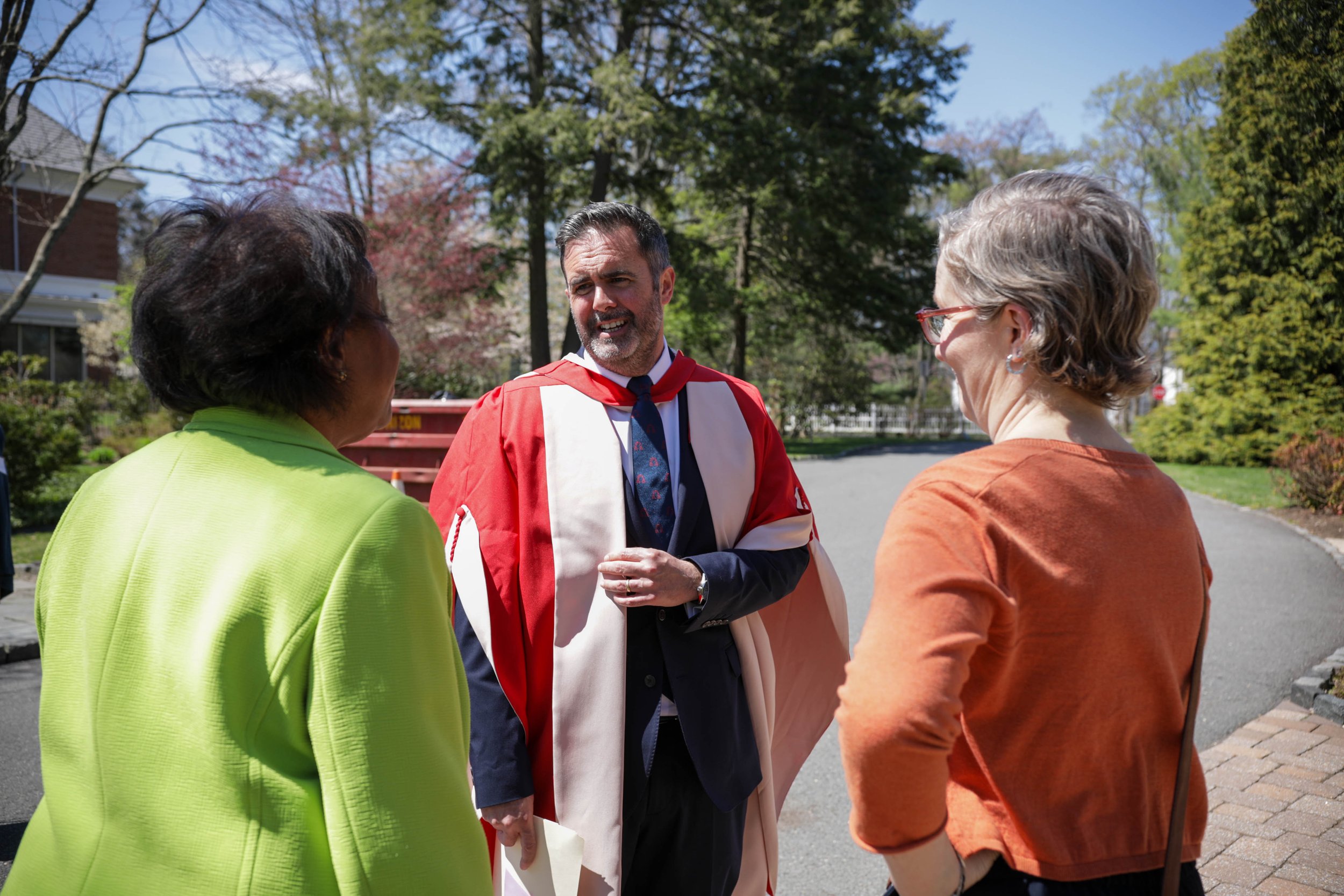
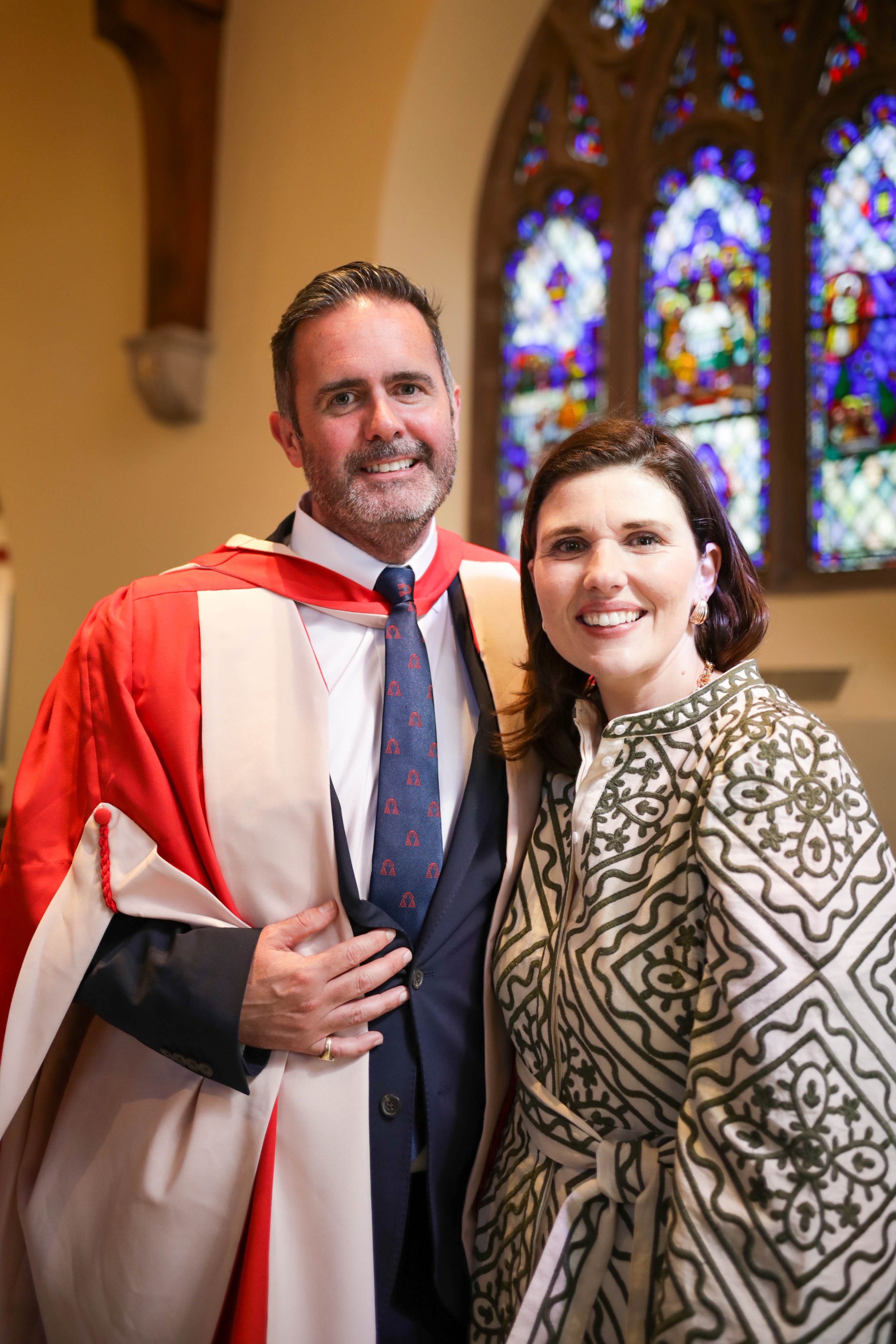
From April 10th to 12th the Center of Theological Inquiry (CTI) marked a significant milestone with a richly layered Inauguration Weekend honoring the installation of Tom Greggs as its fifth Director. Convening leading scholars, pastors, artists, and institutional partners, the weekend featured a festive renewal of CTI’s leadership as well as sustained, multi-disciplinary reflection on the nature, tasks, and opportunities for theology in an era of fragmentation, polarization, and technological upheaval.
Envisioned as “A Celebration of Theology,” the weekend encompassed three days of lectures, panels, performances, and worship that spanned historical reflection, doctrinal inquiry, and contemporary ethical exploration. It began informally on Thursday evening with a dinner hosted by Heather and Tom Greggs at the Director’s Residence, setting a convivial tone for what would prove an intellectually stimulating and spiritually resonant gathering.
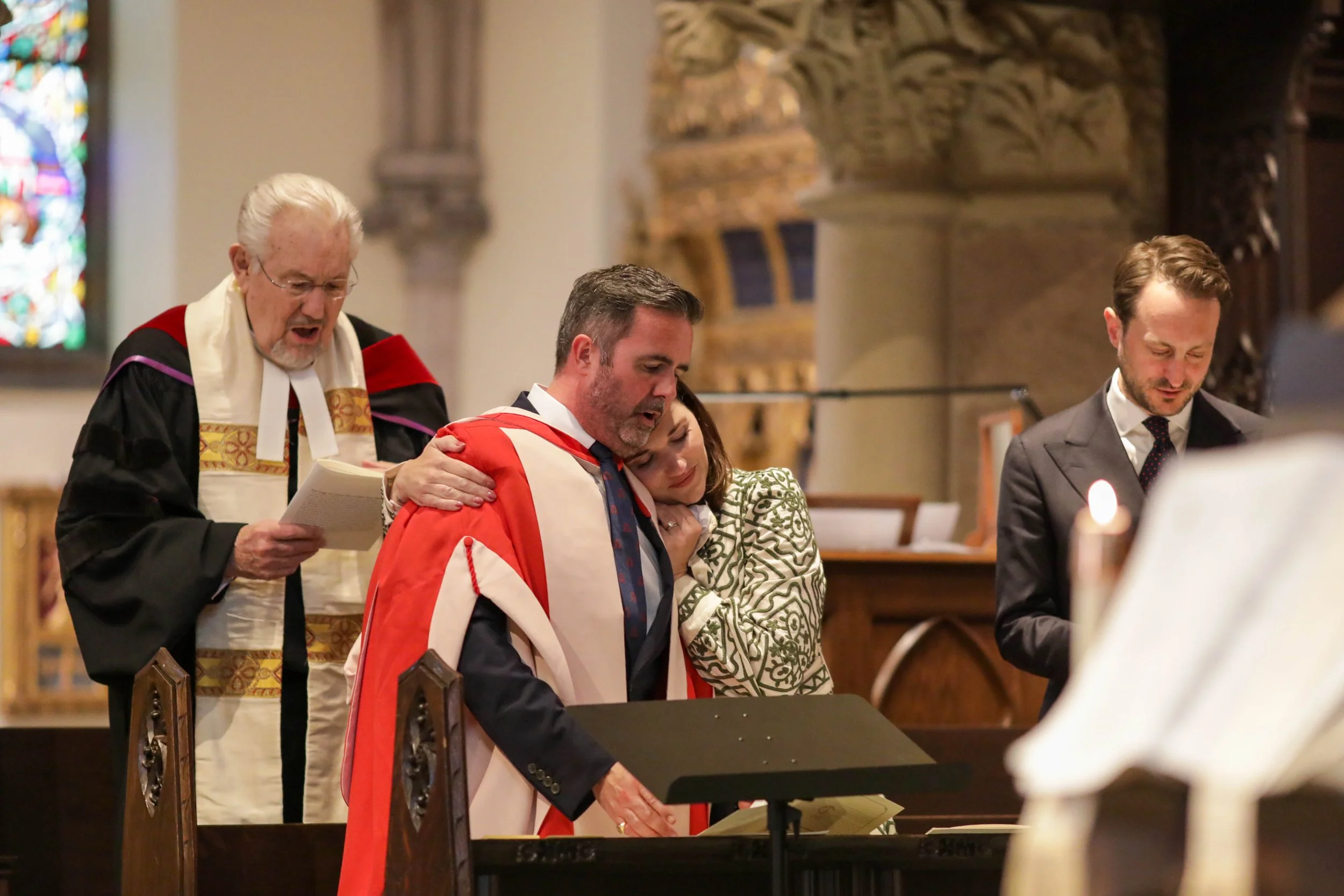
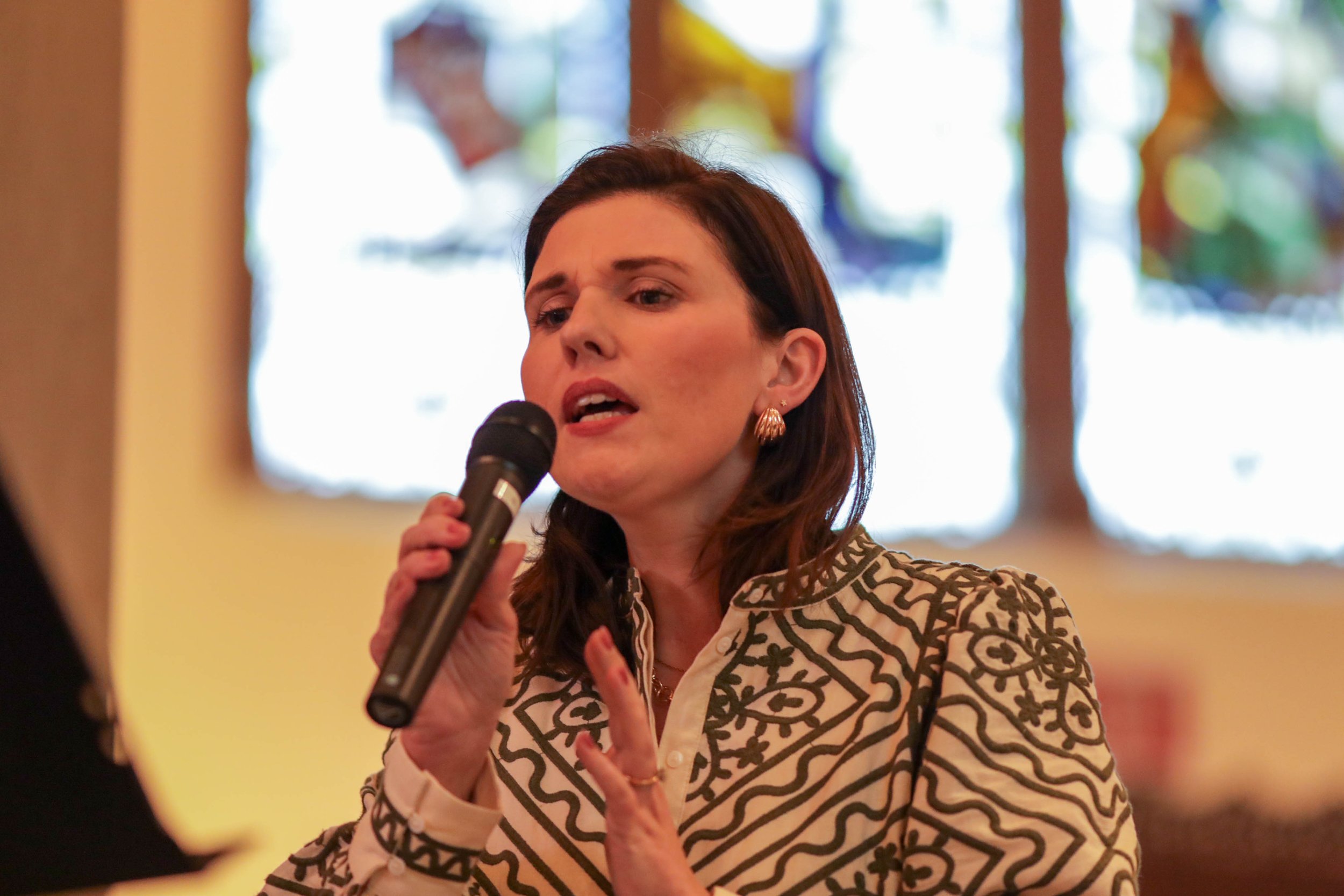
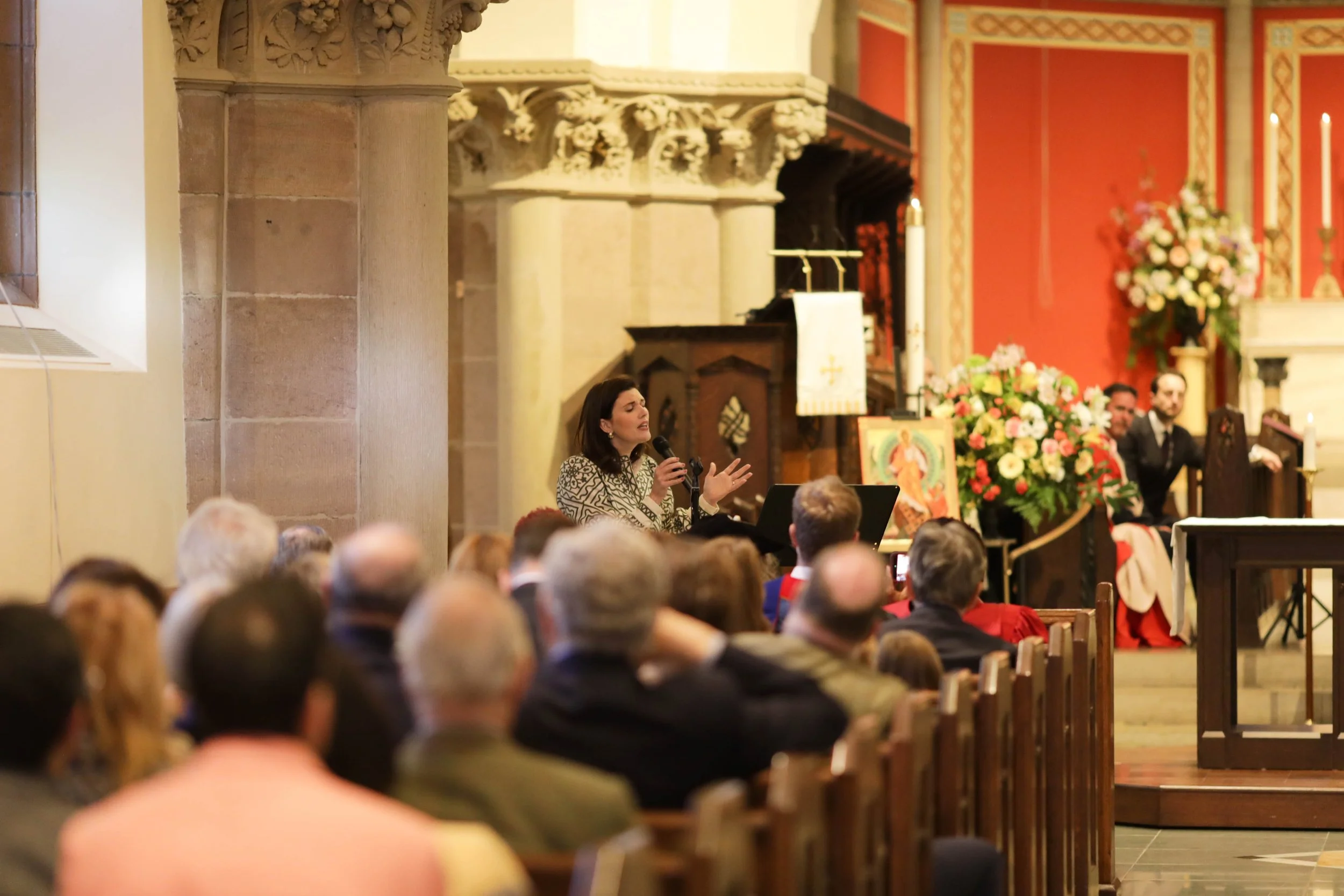
Tom and Heather Greggs sing at the Service of Installation beside CTI Trustees Rev. Fred Anderson and George Gordon, The Most Honorable the Marquess of Aberdeen and Temair.
Rebuilding Bridges in a Fragmented Age
The formal program opened Friday morning with a keynote by Heath Carter of Princeton Theological Seminary. Titled “Bridges Built, Burnt, and Remade: Reflections on 280 Years of Theology in Princeton,” Carter’s lecture traced the complex interplay between theology, institutional life, and American public culture from the founding of the College of New Jersey in 1746 to the present. Drawing on the legacy of leading Princeton figures such as John Witherspoon and Charles Hodge, Carter explained how theological institutions have historically functioned as both bridge-builders and bridge-burners, noting that Princeton’s Presbyterian roots helped galvanize revolutionary sentiment—earning it the British epithet “the Seminary of Sedition”—but failed to prevent its complicity with slavery. Citing the observation that “in land wars and culture wars, bridges are among the first things to be burned,” Carter argued that the erosion of mediating institutions, particularly amid the decline of mainline Protestantism, has contributed to today’s intense political and social polarization. His call to rebuild those bridges set a thematic trajectory for the weekend by envisioning theology as a constructive force capable of reconnecting fractured domains of knowledge, community, and public life.
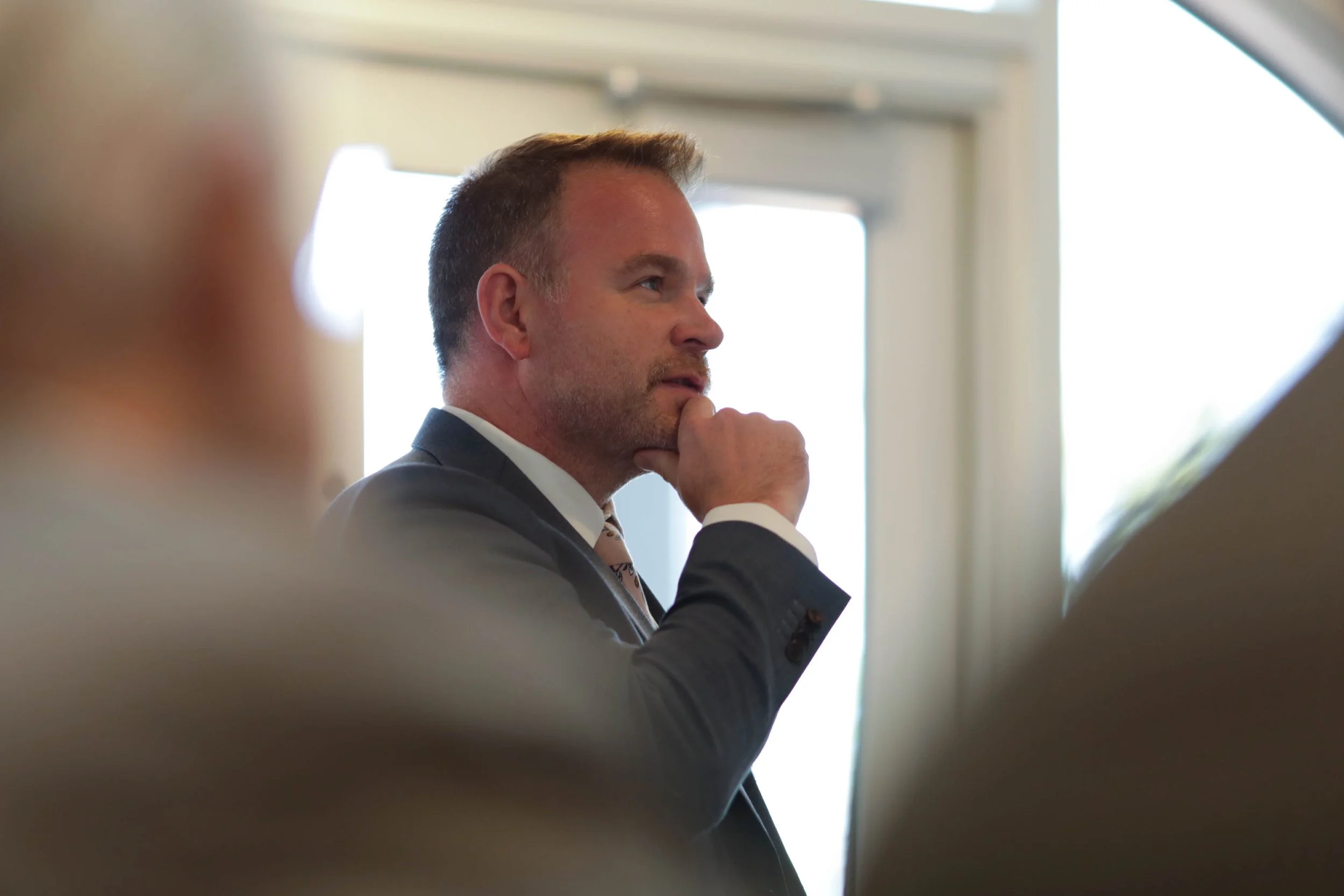
Heath Carter delivers his keynote address.
The Task of Theology Today
While Carter’s lecture concerned the etiology of contemporary fragmentation, Virginia Theological Seminary theologian Katherine Sonderegger addressed theology’s present vocation. In her address “On the Task of Theology in Our Day,” Sonderegger advanced the striking thesis that theologians must recover confidence in the doctrine of God. This “theological confidence,” she argued, is not reducible to dogmatism or rhetorical force. Rather, it is a cultivated disposition that combines intellectual rigor, spiritual attentiveness, and a joyful boldness exemplified by Karl Barth. Moreover, its core conviction is that theology is undertaken coram Deo—that is, in the presence of the living God—who claims the entirety of human existence. Sonderegger also offered a provocative defense of speculative theology as disciplined metaphysical reflection that can deepen theological understanding when grounded in the biblical witness. Her emphasis on metaphysical realism, the centrality of doctrine, and the theological foundations of salutary pastoral care underscored a recurring sentiment of the weekend, namely that theology must neither retreat into abstraction nor reduce to activism but instead combine scholarship with engagement.
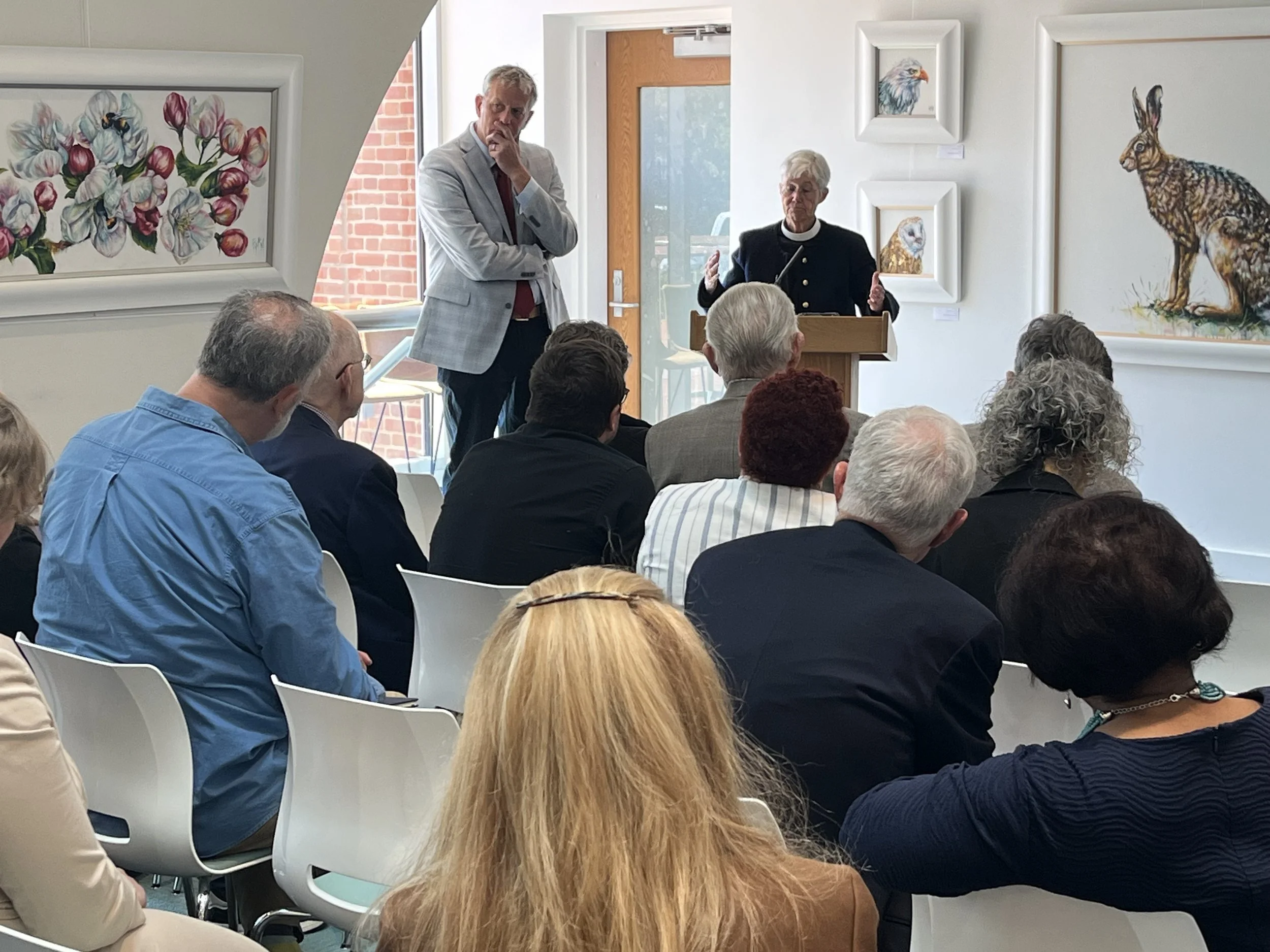
Katherine Sonderegger fields audience questions after her lecture.
Why Theology Matters
An afternoon panel on “Why Theology Matters” explored these subjects further. Former CTI Director of Research Robin Lovin highlighted James McCord’s founding vision for theology at CTI as an integrative discipline capable of countering the fragmentation of knowledge. Lovin suggested that today the greater challenge is not fragmentation but polarization—driven in part by the politicization of theology itself. In such a context, theology must recover its capacity for genuine inquiry rather than succumb to ideological deployment. Fellow panelist and CTI Senior Fellow Valerie Cooper offered a sobering reminder of theology’s significance by observing that “bad theology wounds, kills, and alienates.” From historical justifications of slavery to manifold contemporary exclusions, Cooper contended that distorted theological claims continue to have devastating consequences. Sister Gemma Simmonds, Director of the Religious Life Institute, noted pervasive contemporary theological illiteracy and recalled G. K. Chesterton’s observation that when belief in God declines, belief in anything may take its place. Complementing Cooper’s and Simmonds’ remarks, current CTI member William Willimon characterized theology’s critical functions as exposing idolatry and helping the church faithfully receive and communicate the “news” of the gospel. Together, the panelists presented theology as at once constructive, corrective, and indispensable to both church and society.
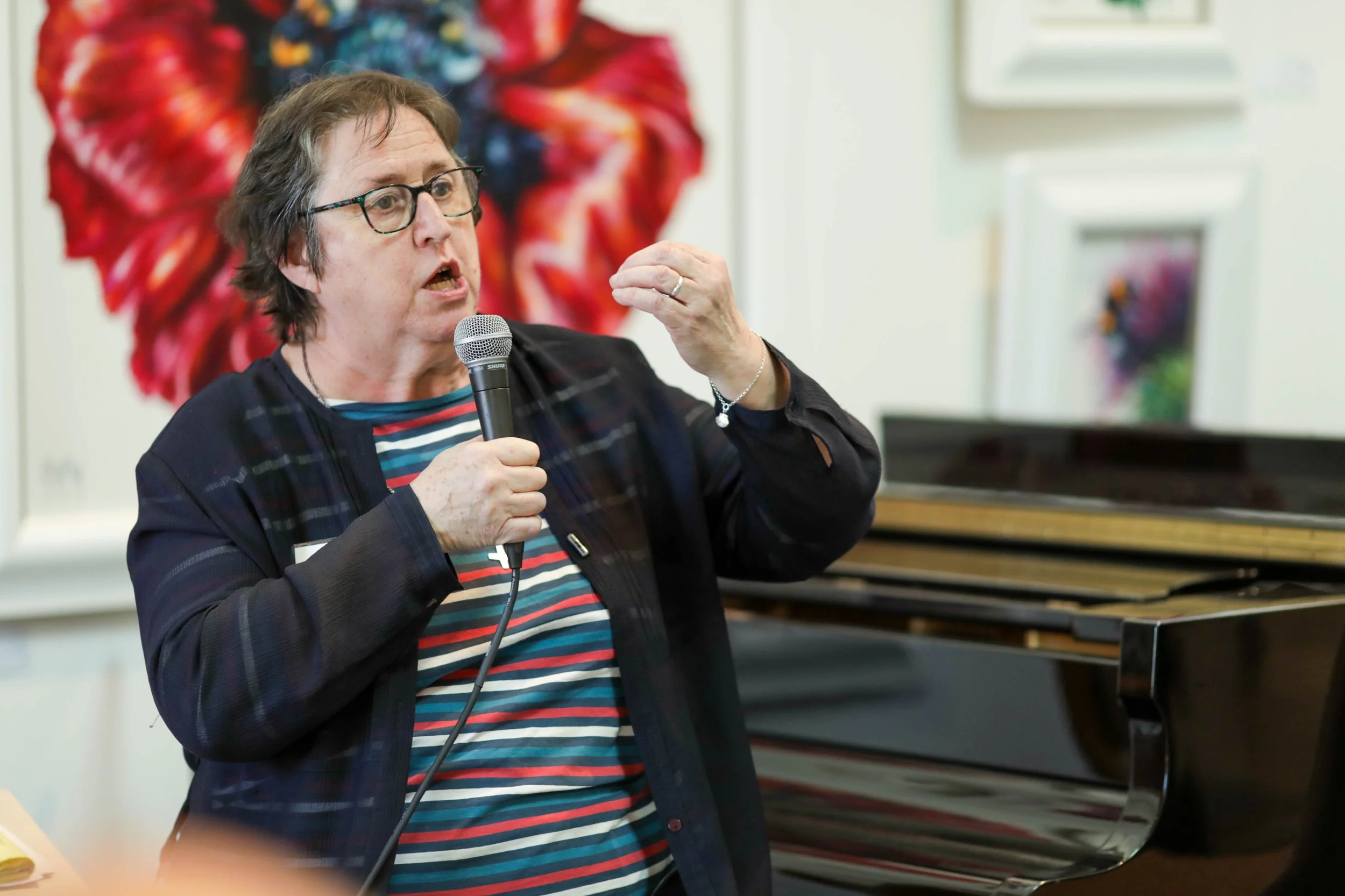
Gemma Simmonds explains why theology matters.
Music, Unity, and the Work of the Spirit
The day concluded with a lecture and performance by Jeremy Begbie, the McDonald Agape Director of Duke University Initiatives in Theology and the Arts, which offered a captivating multi-modal meditation on music and Trinitarian theology. Blending presentation with pianistic illustration, Begbie demonstrated that music provides a powerful analogue for the work of the Holy Spirit by binding together, opening outward, preserving particularity, anticipating the future, and generating creative newness. Drawing on the Augustinian tradition, Begbie described the Spirit as the bond of love between Father and Son—a dynamic mirrored in musical practices such as harmony and improvisation. Especially in times of ecclesial division, he suggested, communal singing can become a site where unity in Christ is not merely extolled but enacted.
Theology in a Technological Age
Saturday’s sessions considered theology’s engagement with contemporary challenges, particularly the rise of artificial intelligence (AI). Universities of Zurich and Heidelberg Professor Frederike van Oorschot opened the day with a lecture on “Imagining the Human, God, and Technology,” in which she contextualized AI within broader social imaginaries and highlighted how emerging technologies reshape both practical life and fundamental human self-understanding.
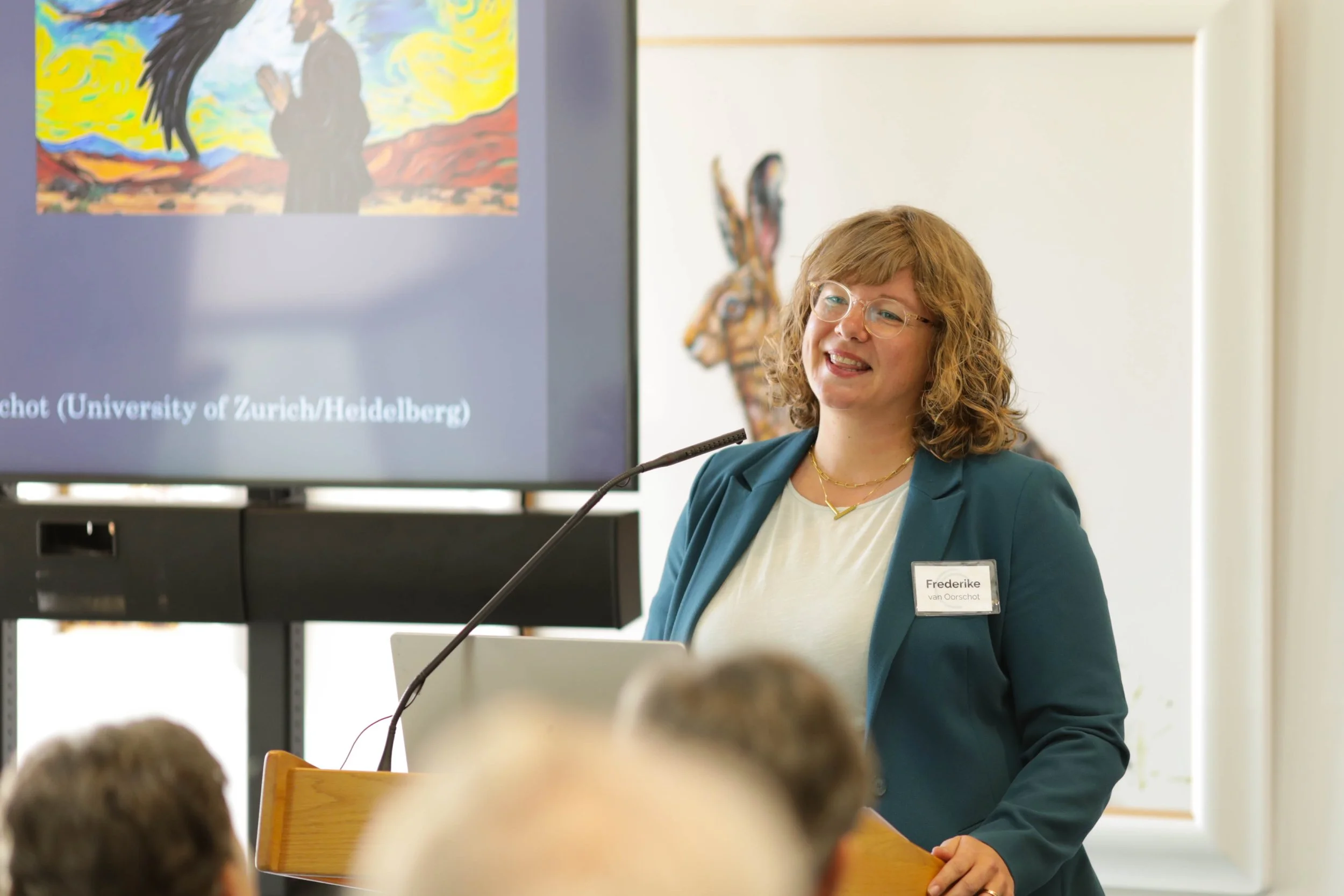
Frederike van Oorschot outlines the implications of artificial intelligence for theological anthropology.
Tom Greggs’s Inaugural Lecture, “Be Transformed by the Renewing of Your Mind: A Vision for Theology” extended and developed the weekend’s principal motifs. Connecting CTI’s founding context—suffused by nuclear anxieties and Cold War animosities—with the prevailing ethos of AI-induced pessimism and social polarization, Greggs maintained that theology may exert a vital reparative influence. Recalling Reinhold Niebuhr’s residence at Princeton’s Institute for Advanced Study in 1958, Greggs traced CTI’s origins to a time when theological reflection enjoyed sustained conversation with scientific and ethical research at the highest levels. Insisting that a similar dialogue has become exigent once again, Greggs echoed Niebuhr’s admonishment against utopian thinking and commended a vision of theology as making sense of God and all things in relation to God that is rooted in faithful scholarship and oriented toward practical transformation.
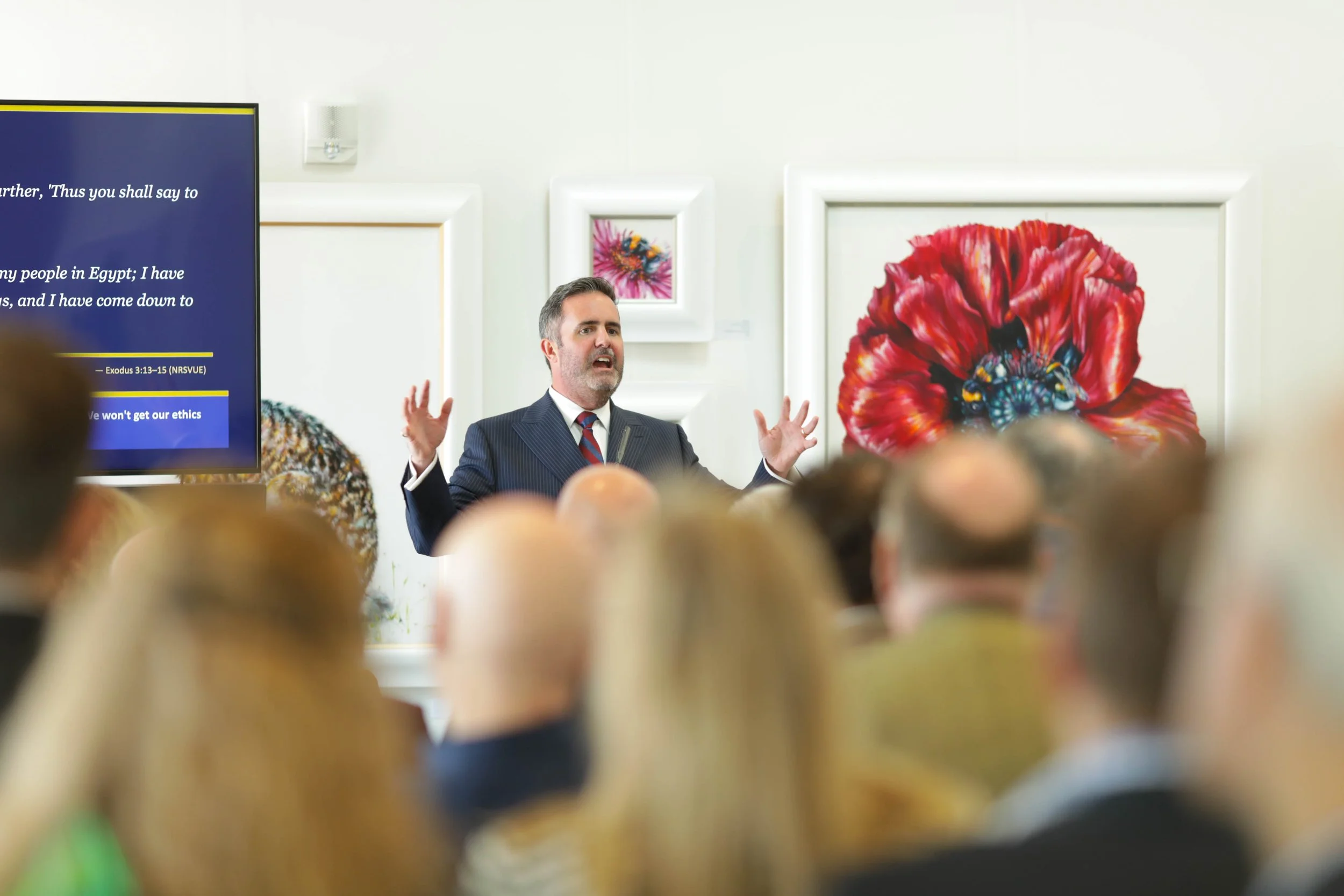
Tom Greggs presents his inaugural lecture.
Expanding Theological Horizons
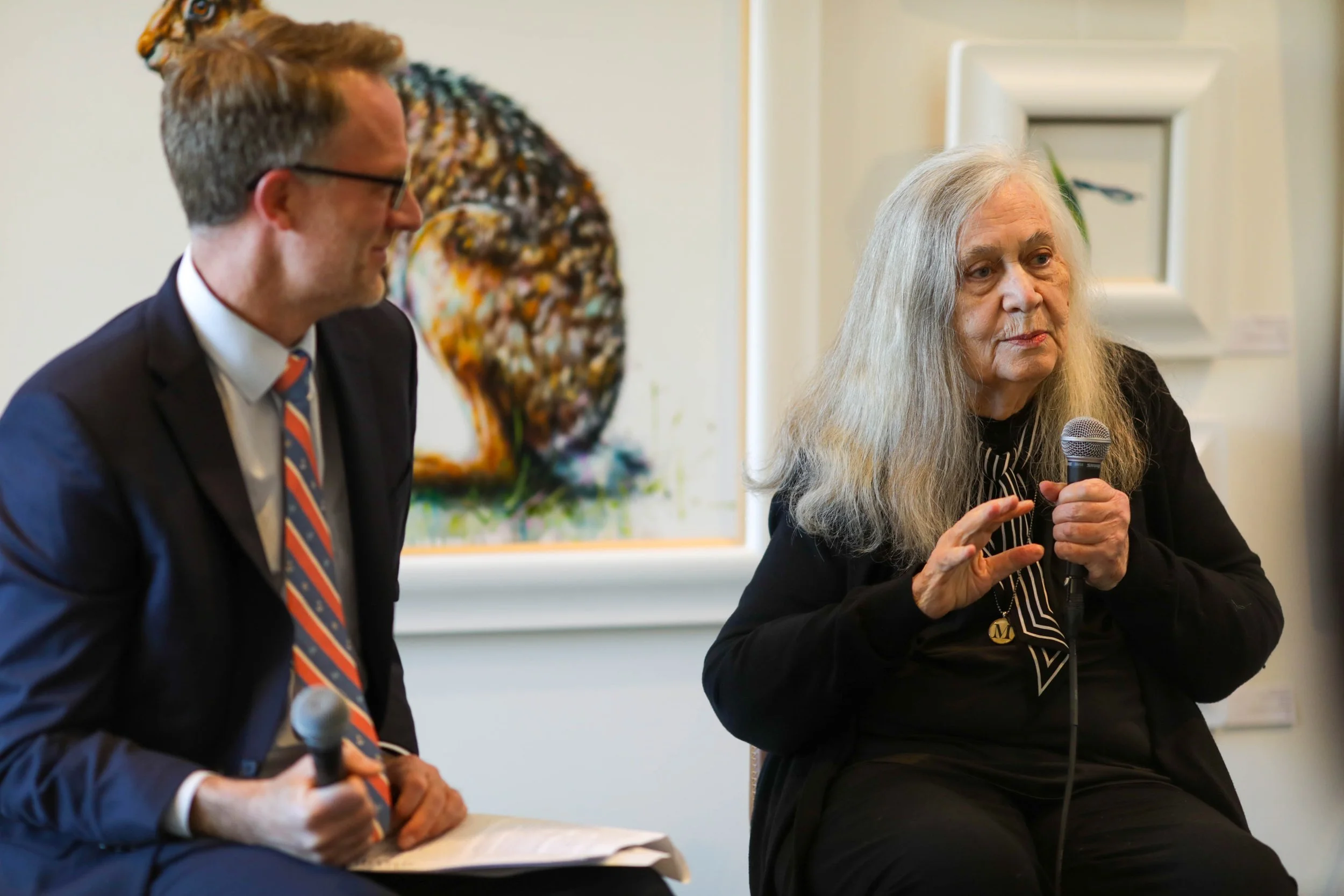
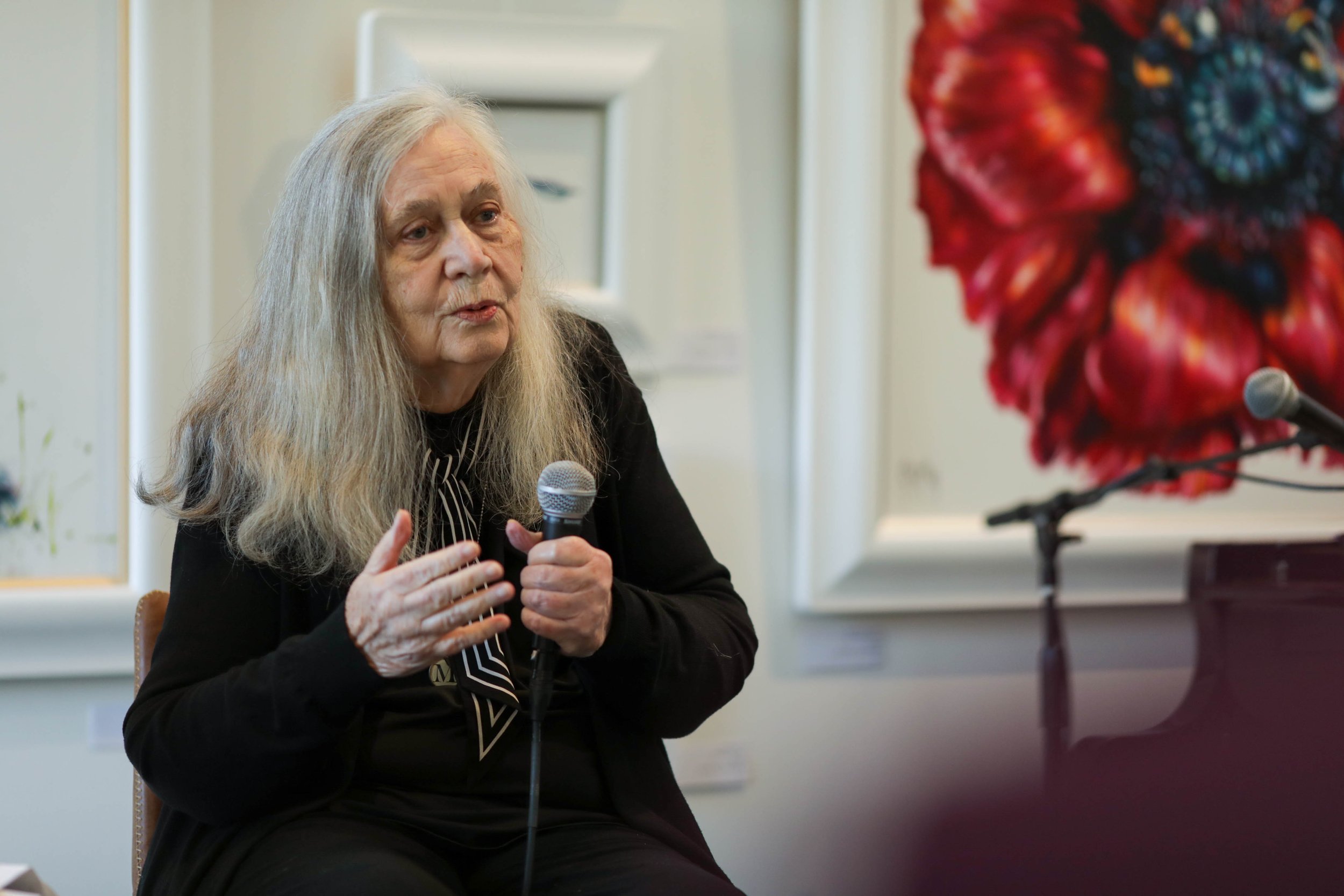
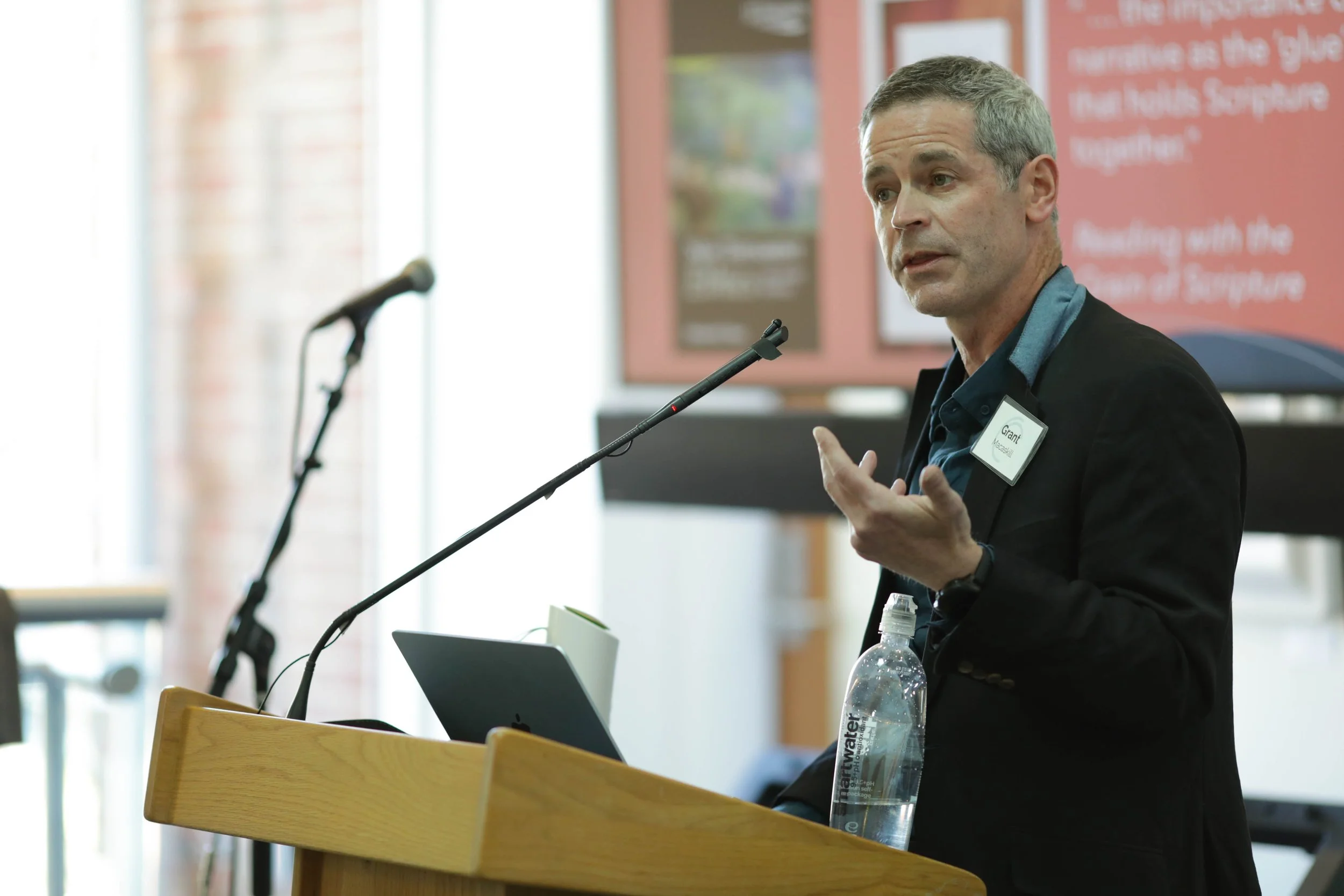
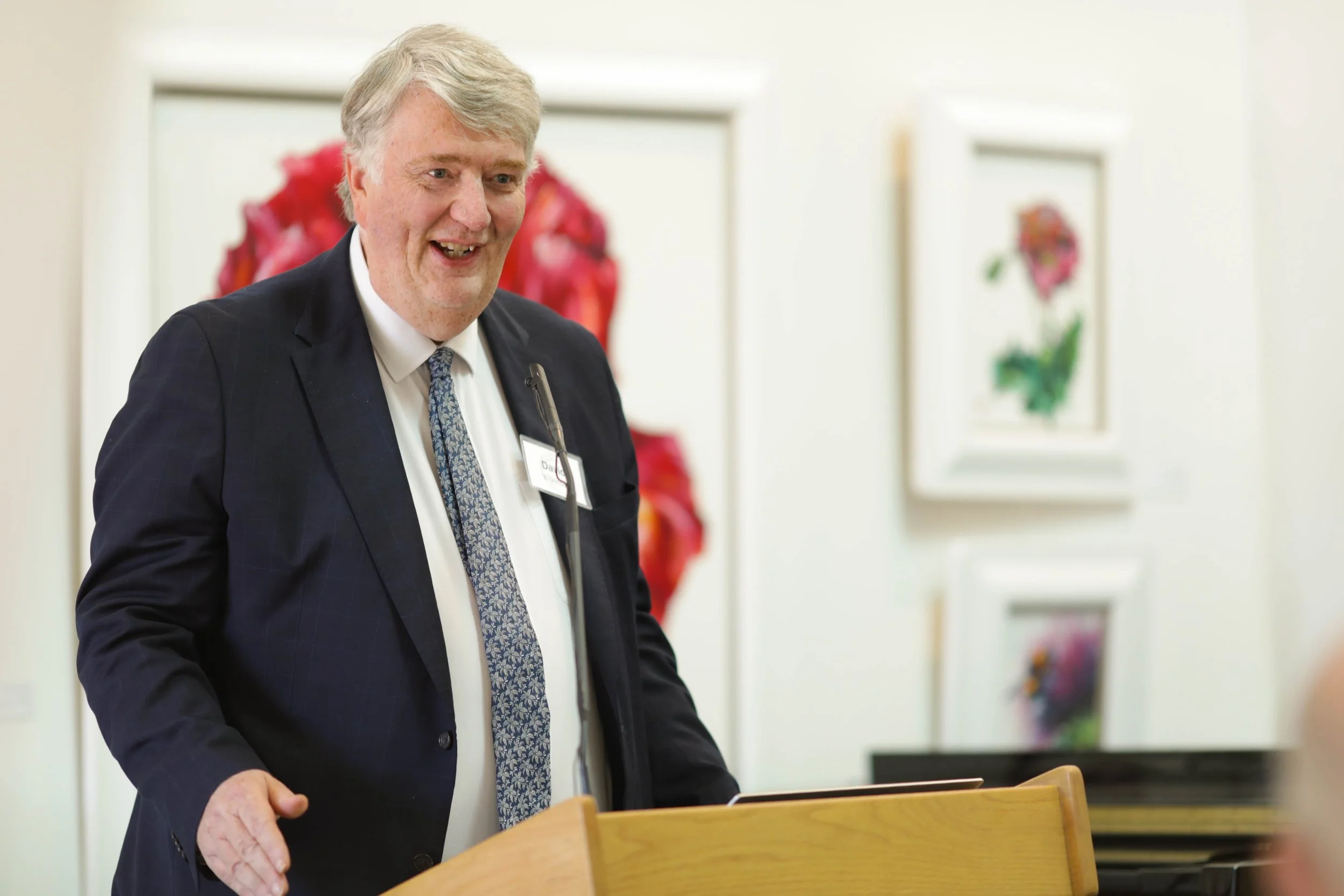
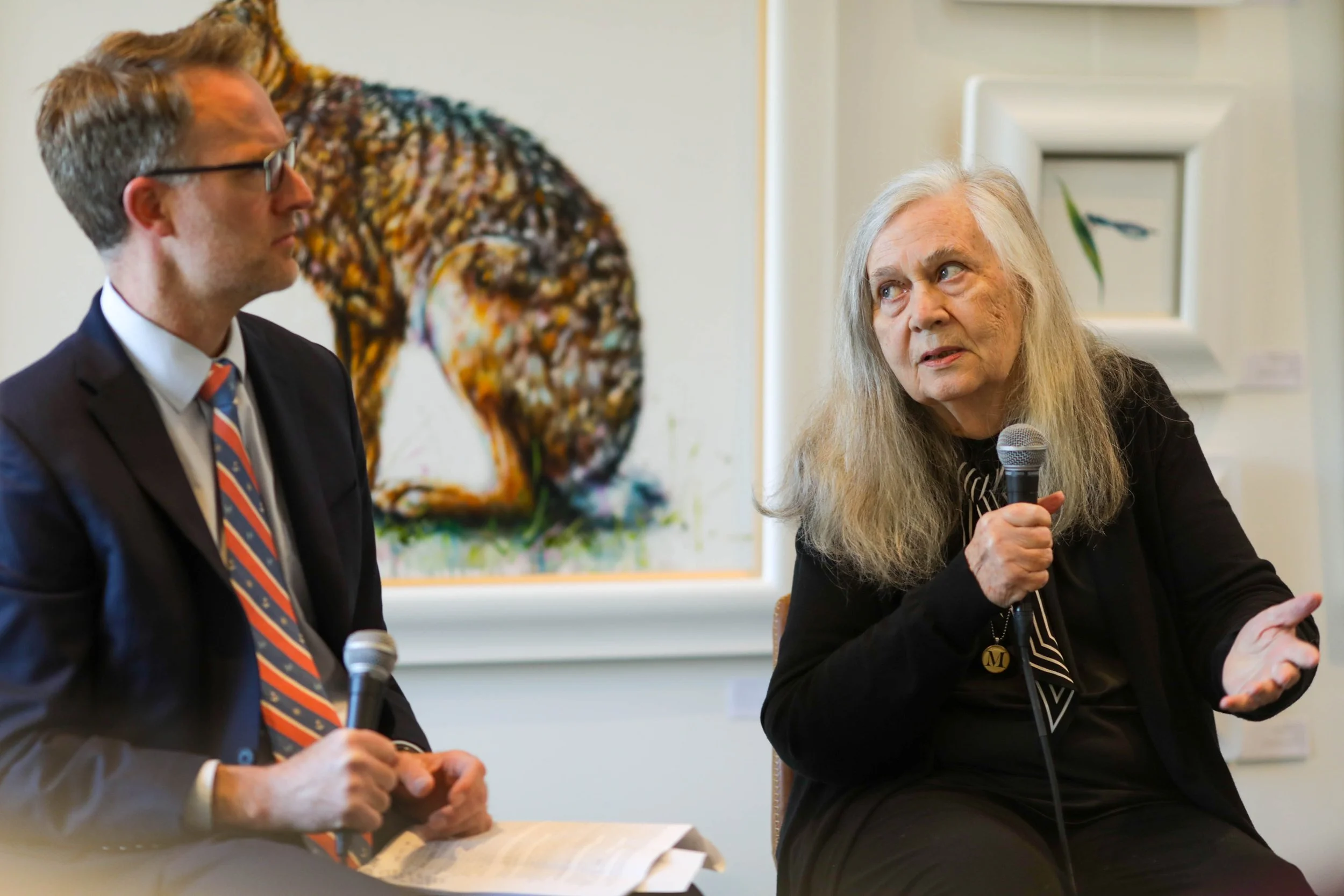
Subsequent sessions explored theology’s engagement with science, scripture, and ethics. Durham University Professor David Wilkinson examined the theological implications of astrobiology, challenging assumptions about human uniqueness while affirming the credibility of Christian doctrine amidst recent cosmological discoveries. Thereafter, Wilkinson’s Durham colleague Grant Macaskill offered a sophisticated critique of exclusively narrative approaches to scripture. Arguing that the biblical witness cannot be reduced to a single overarching story, Macaskill proposed that it is instead largely devoted to “world-building”—the creation of a symbolic and moral universe in which believers participate. Macaskill claimed that this hermeneutical shift has considerable implications for Christian ethics, particularly in an era marked by otherwise debilitating doubts about historical progress. An interview with novelist and essayist Marilynne Robinson provided a lyrical counterpoint to these analytical lectures and cast theology as a shared human inheritance affording crucial insight into the nature of reality. Urging theologians to cultivate renewed attentiveness to the depth and mystery of quotidian existence, Robinson reminded the weekend’s participants that “the world is a seething miracle.”
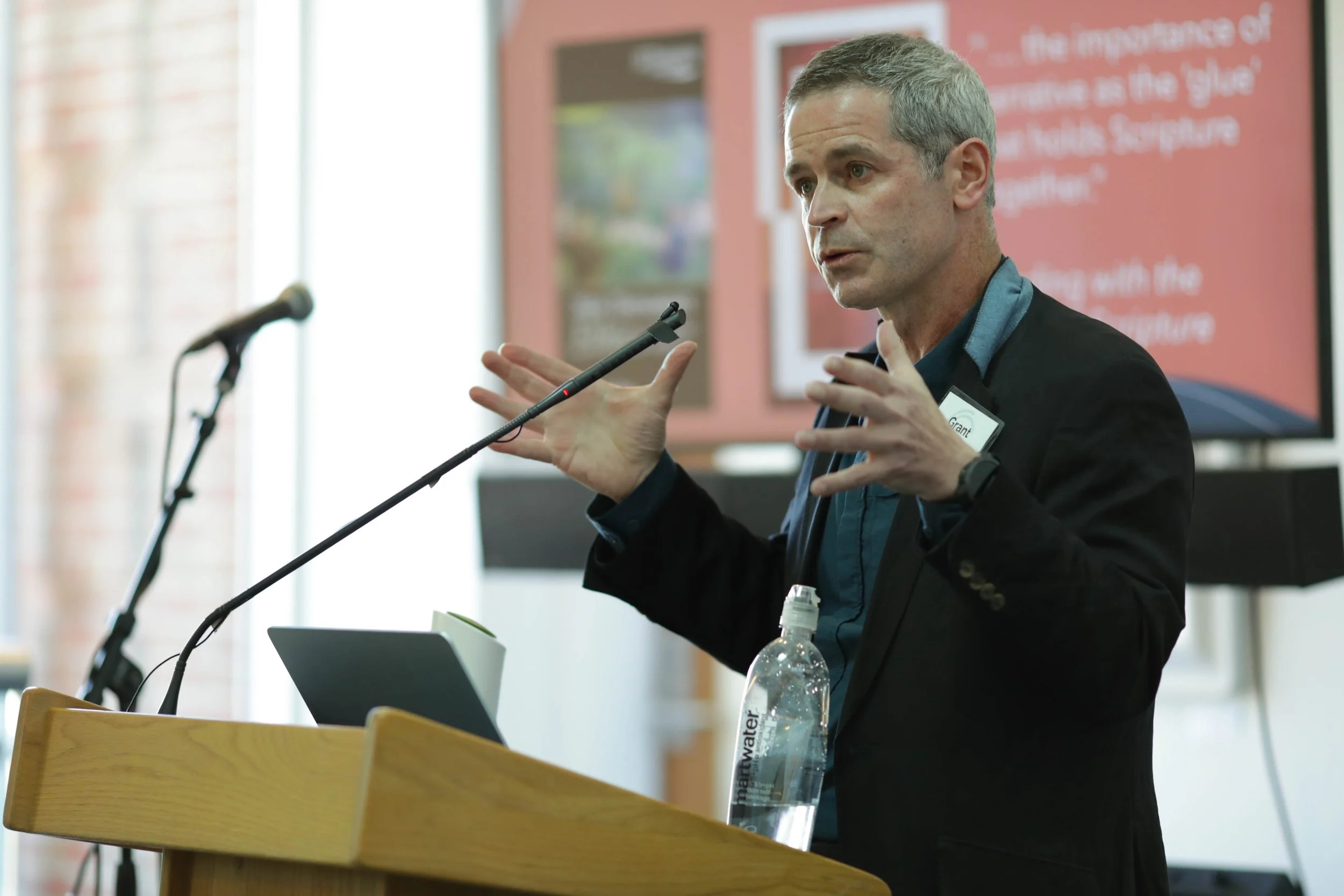
Grant Macaskill expounds the scriptural significance of world building.
Art, Worship, and Installation
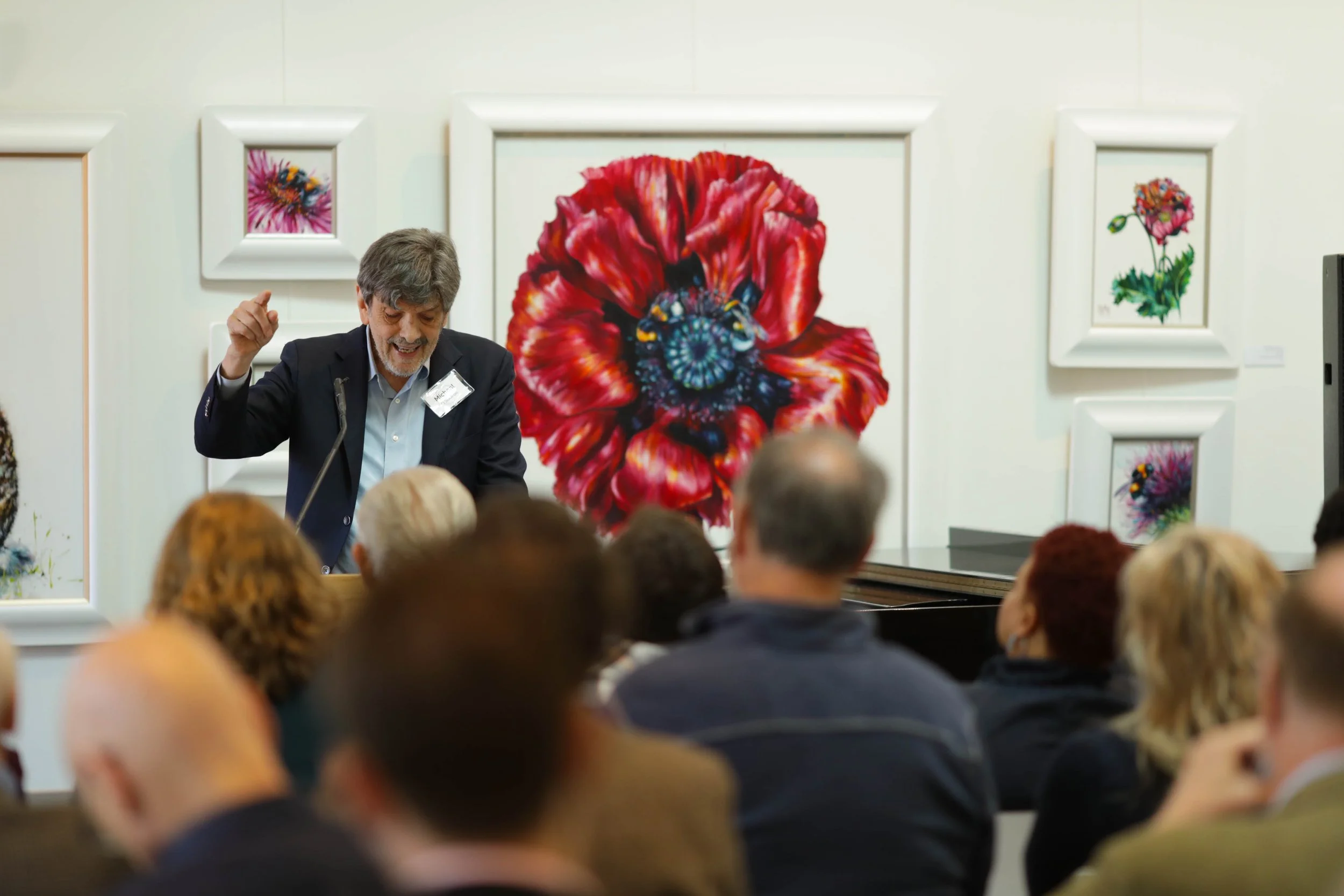
Saturday also featured signal artistic contributions, including an evocative poetry reading by Micheal O’Siadhail and an ethereal musical performance by Jon Guerra, as well as an exhibition of nature painter Georgina McMaster’s extensive oeuvre entitled “All Things Wild and Wonderful: Symbols of God’s Glory and the Fullness of Creation.” These elements instantiated the event’s holistic vision of theology as encompassing not only intellectual inquiry but also aesthetic and spiritual expression.
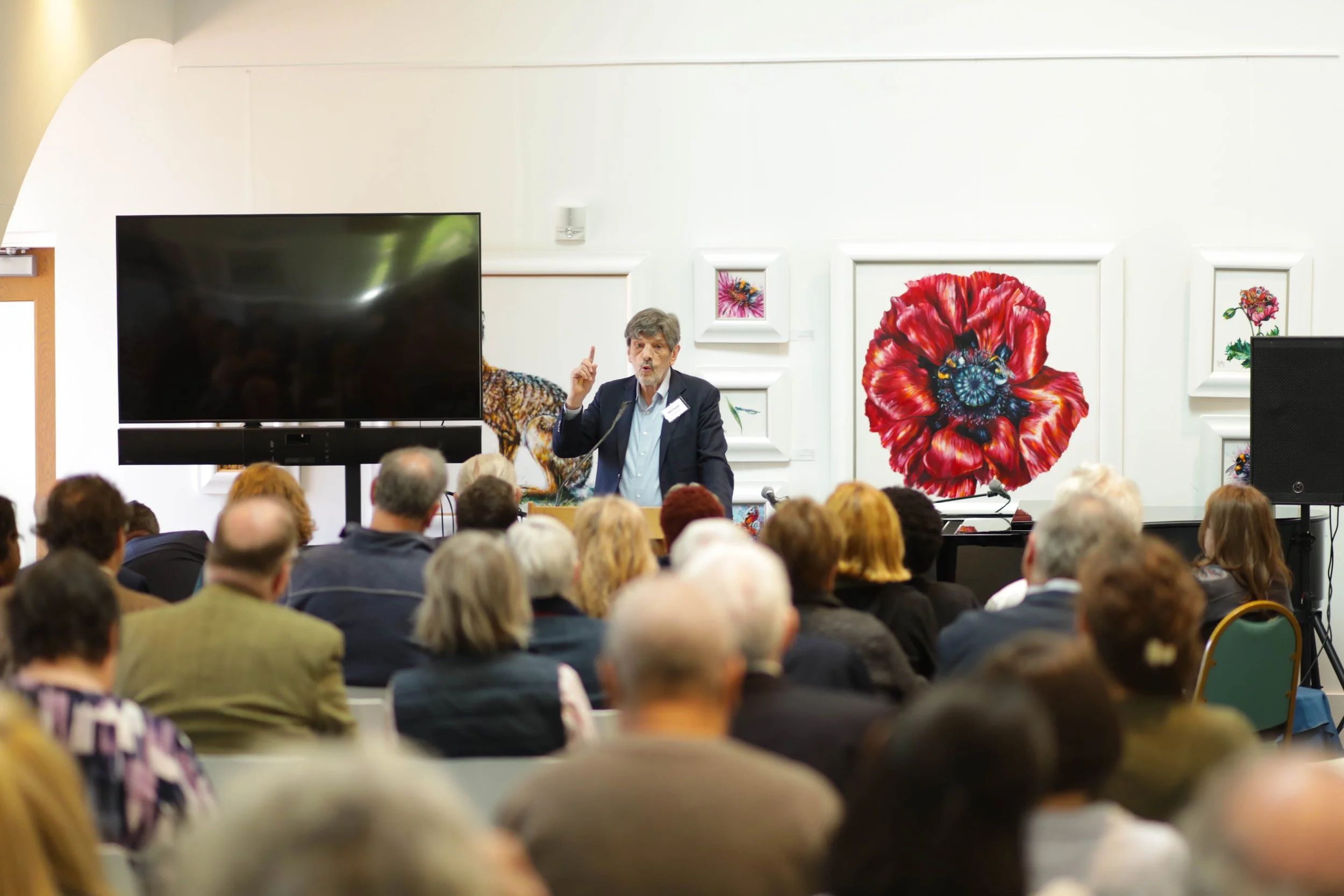
Micheal O’Siadhail recites his poetry framed by Georgina McMaster’s artwork.
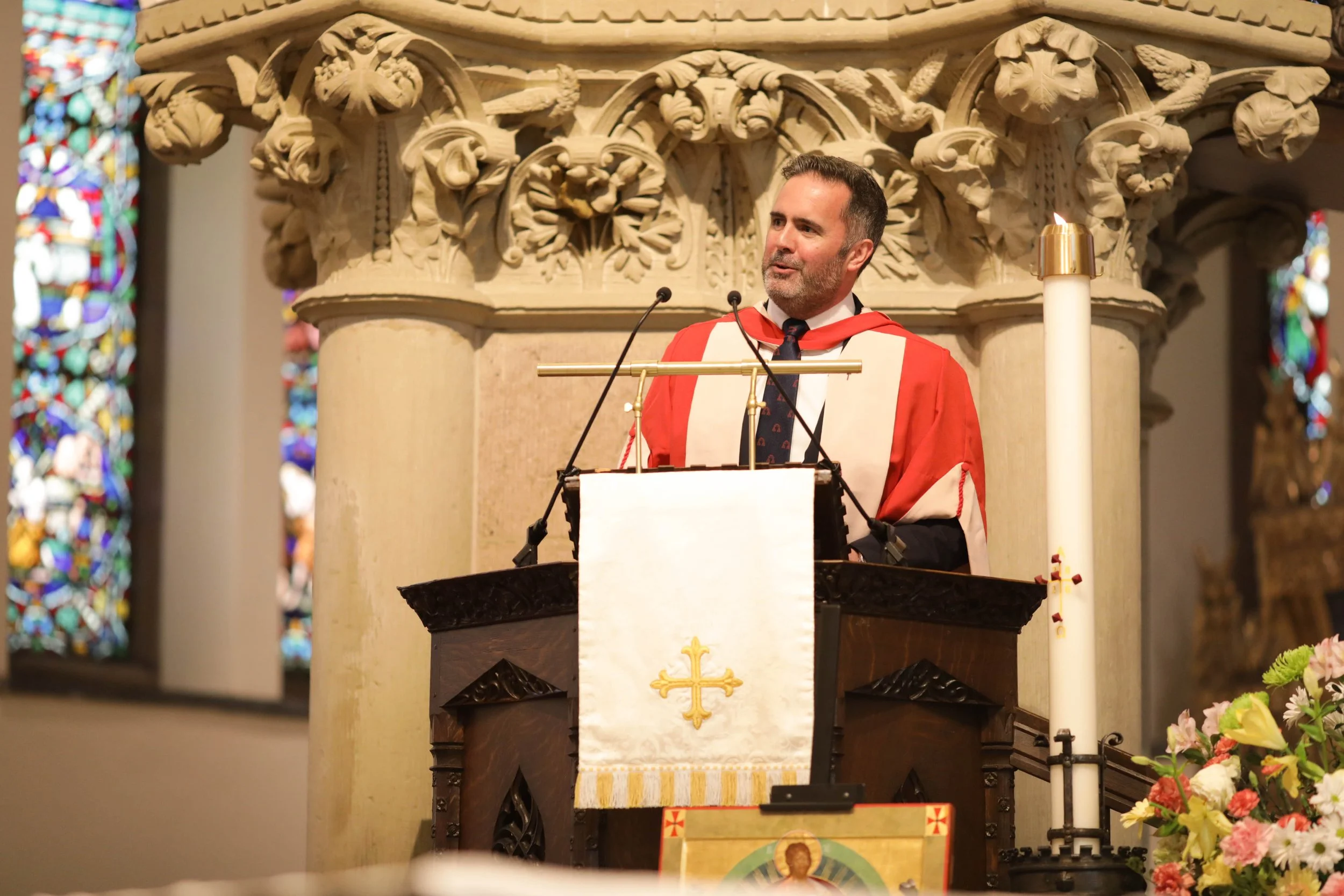
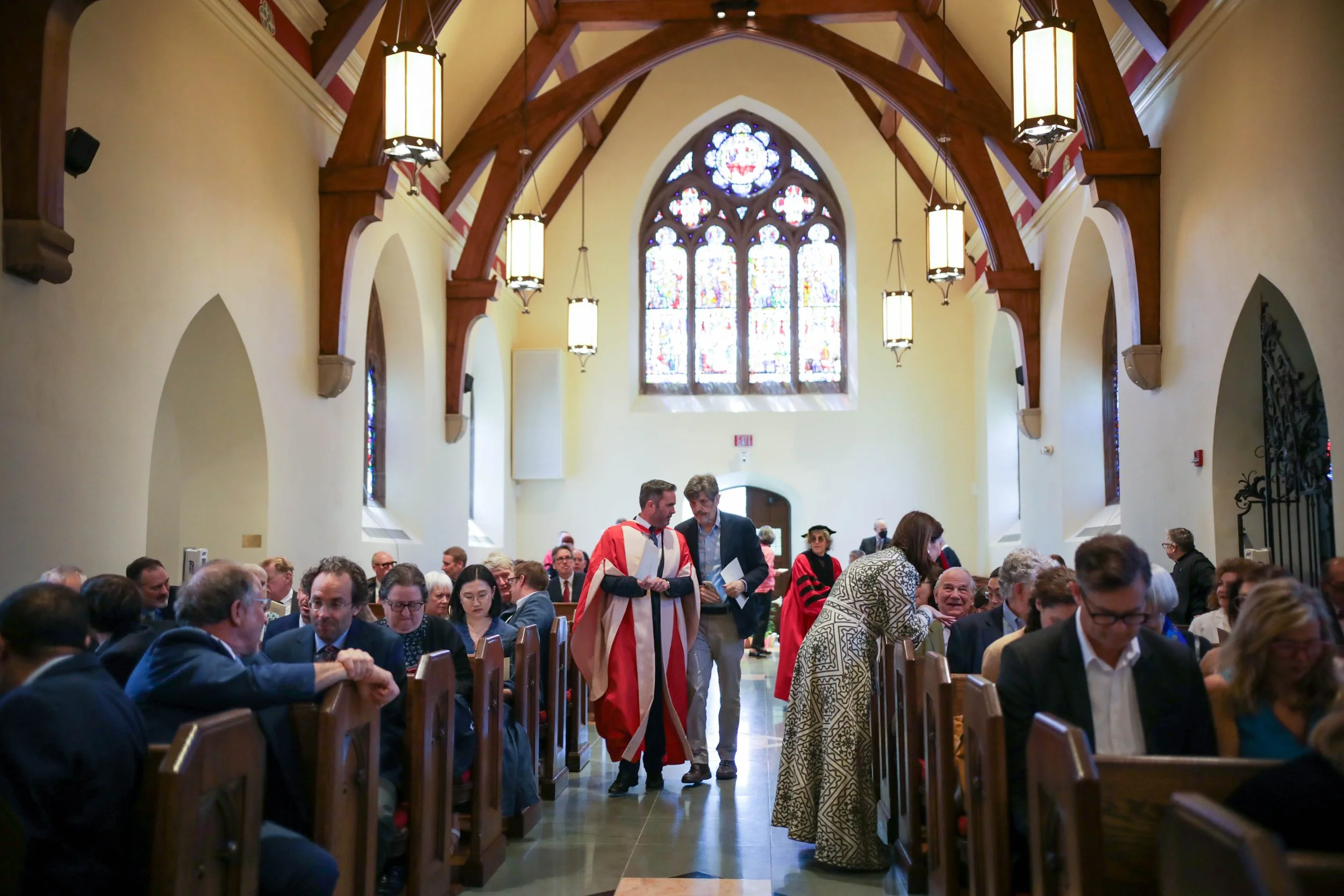
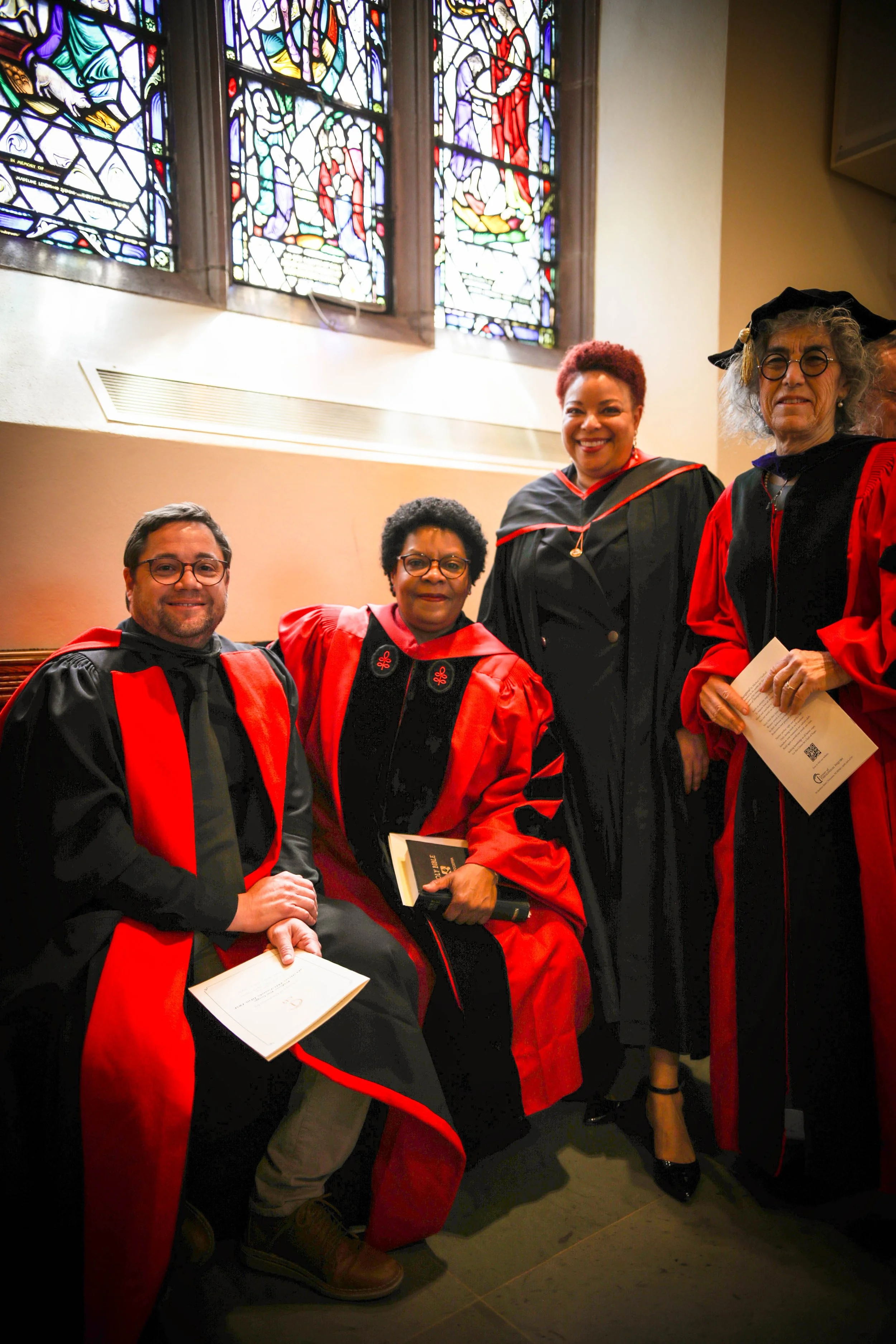
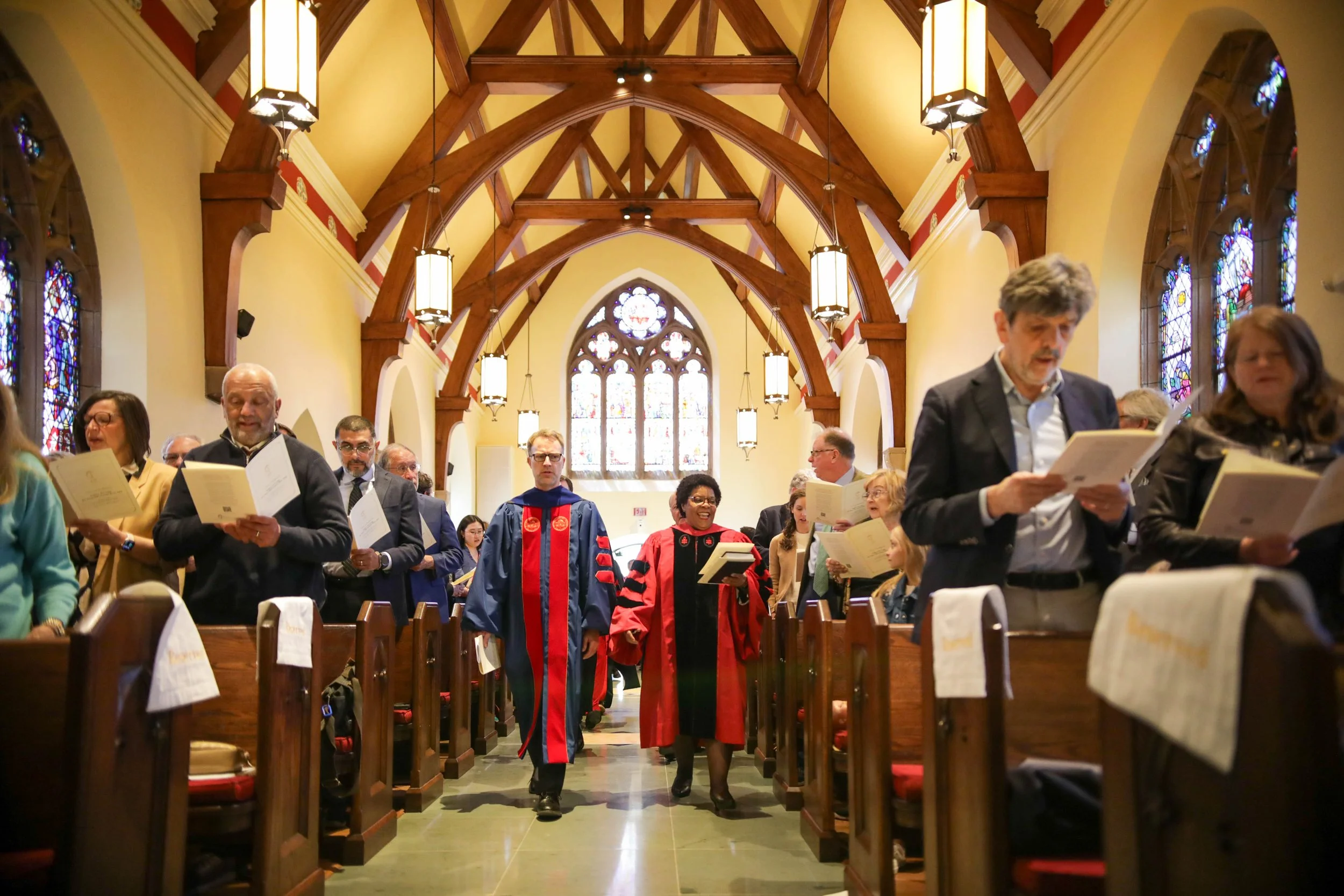
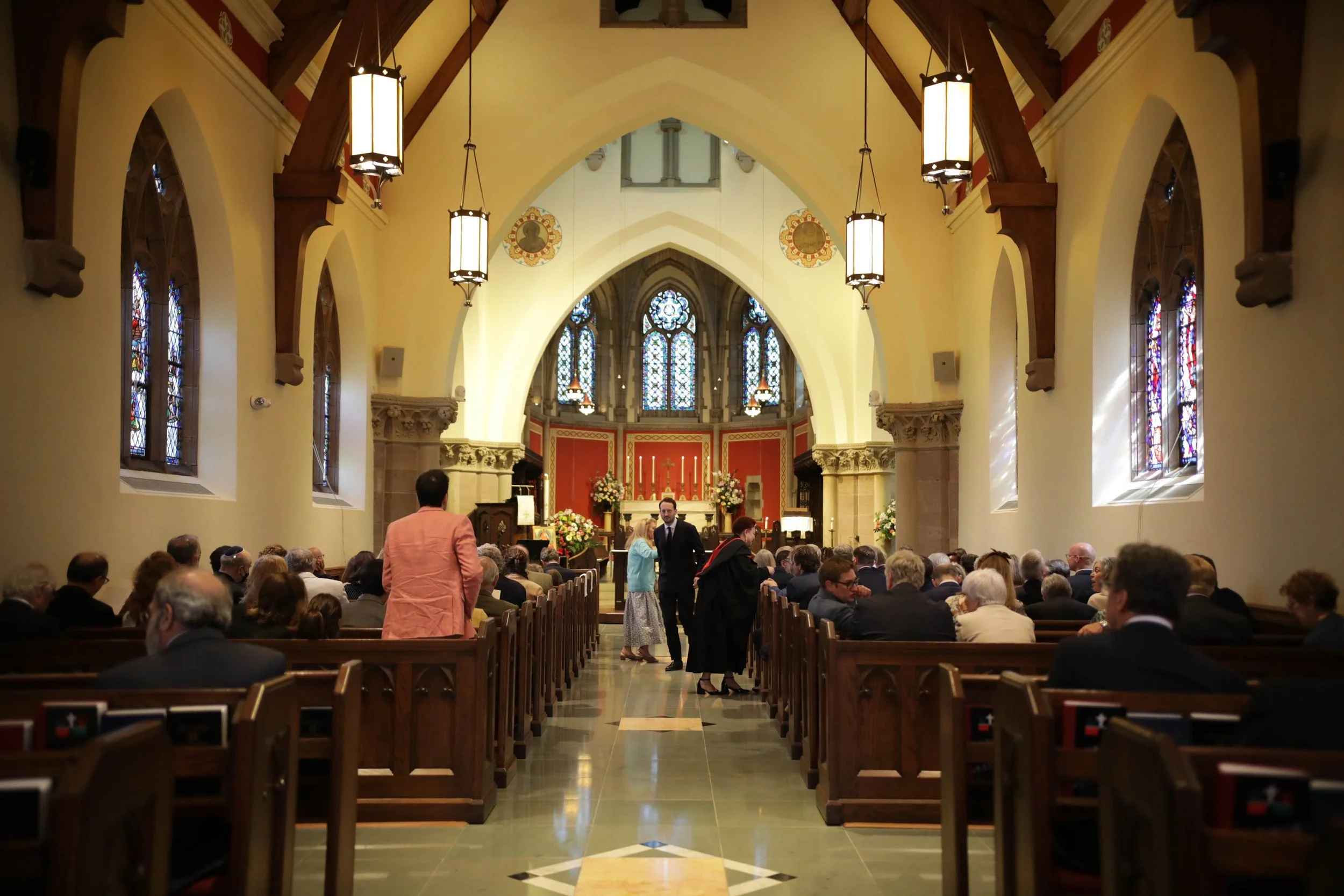
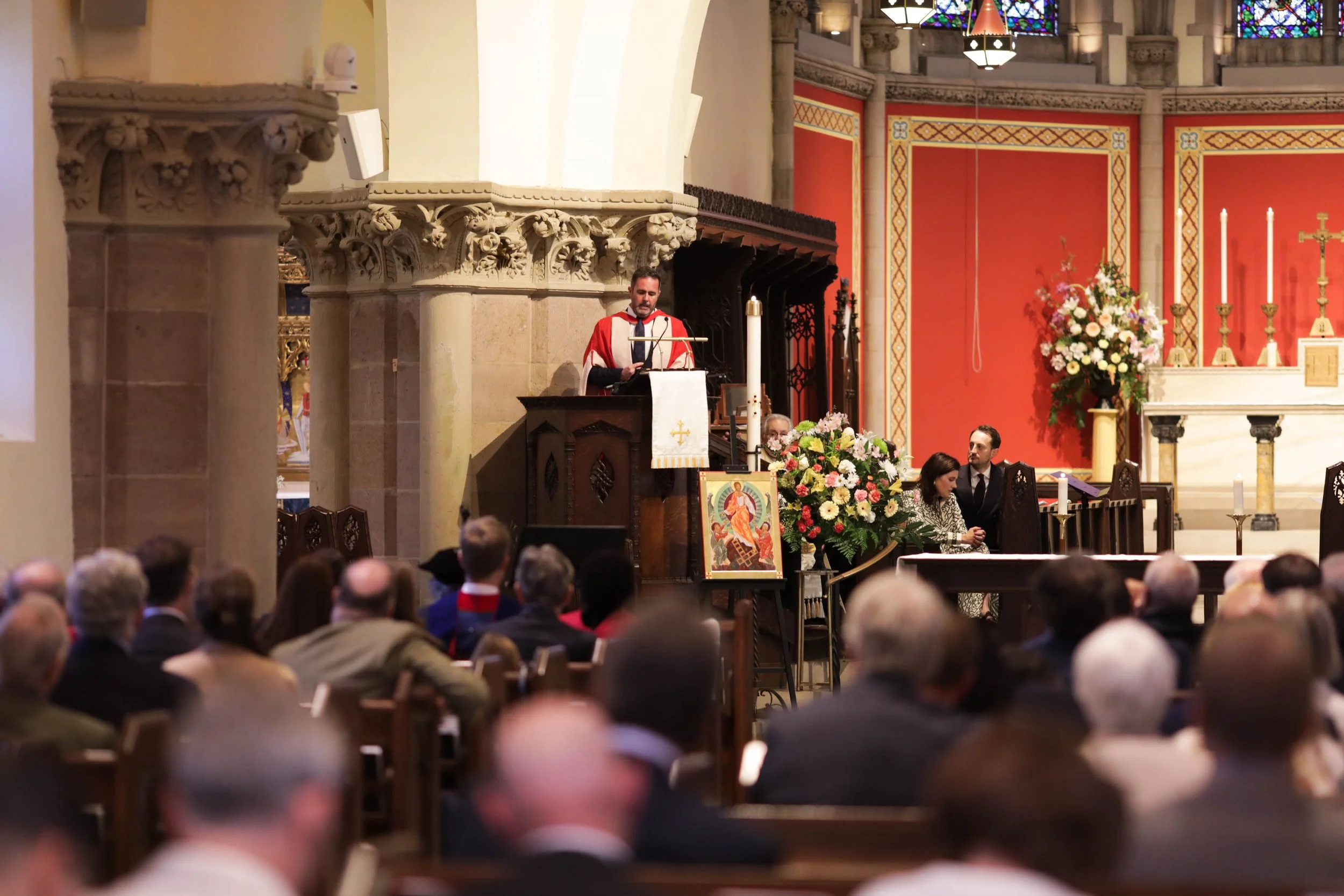
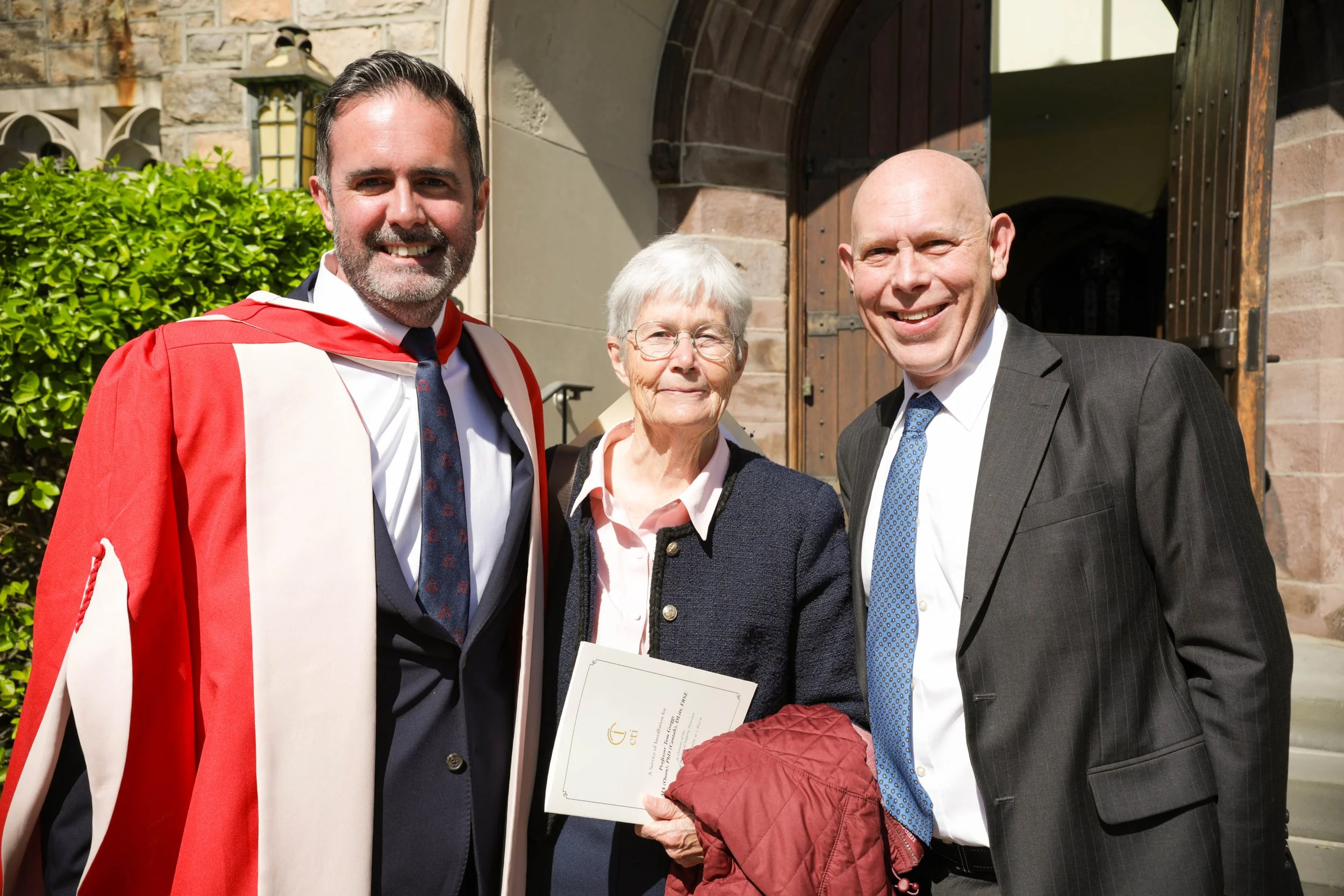
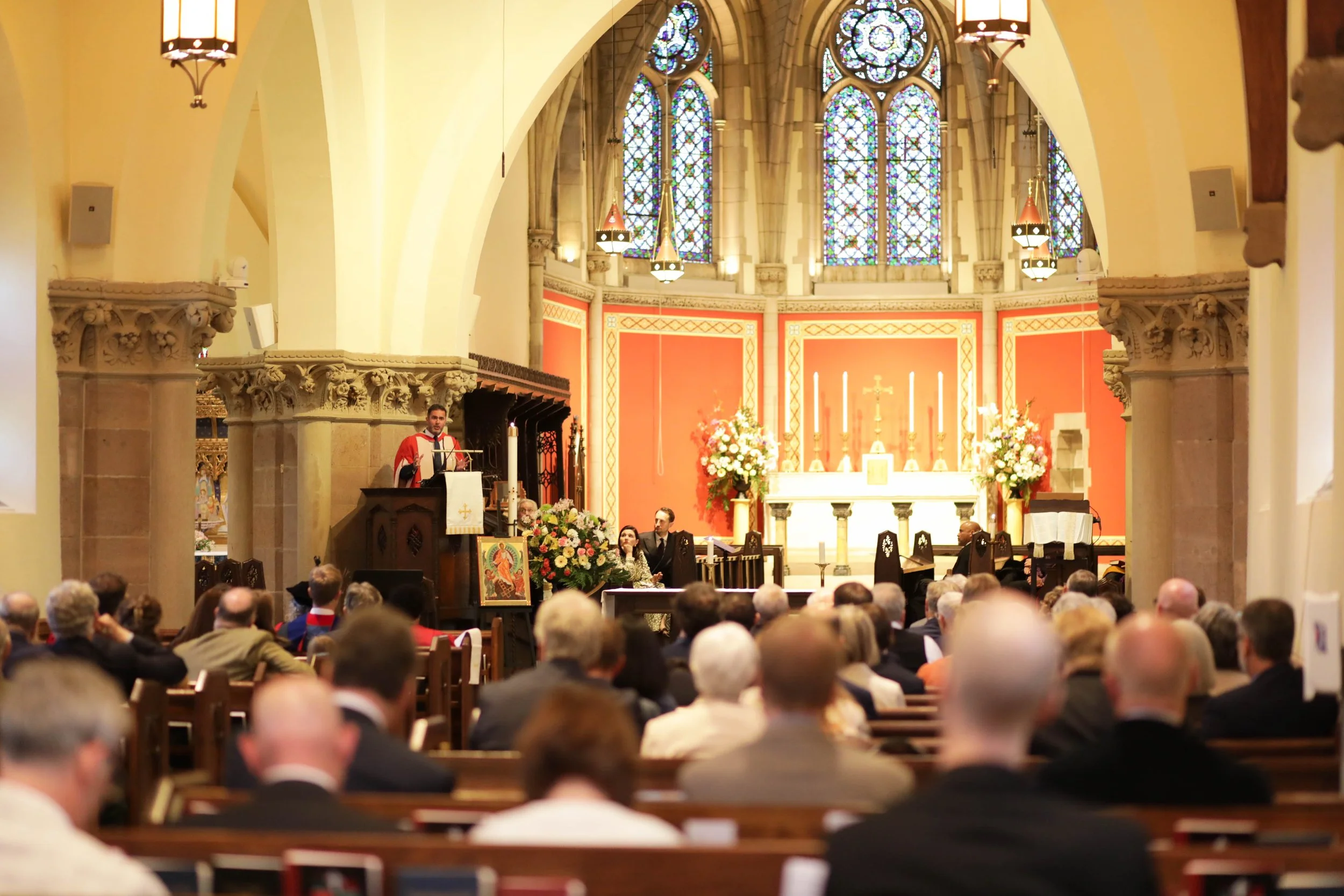
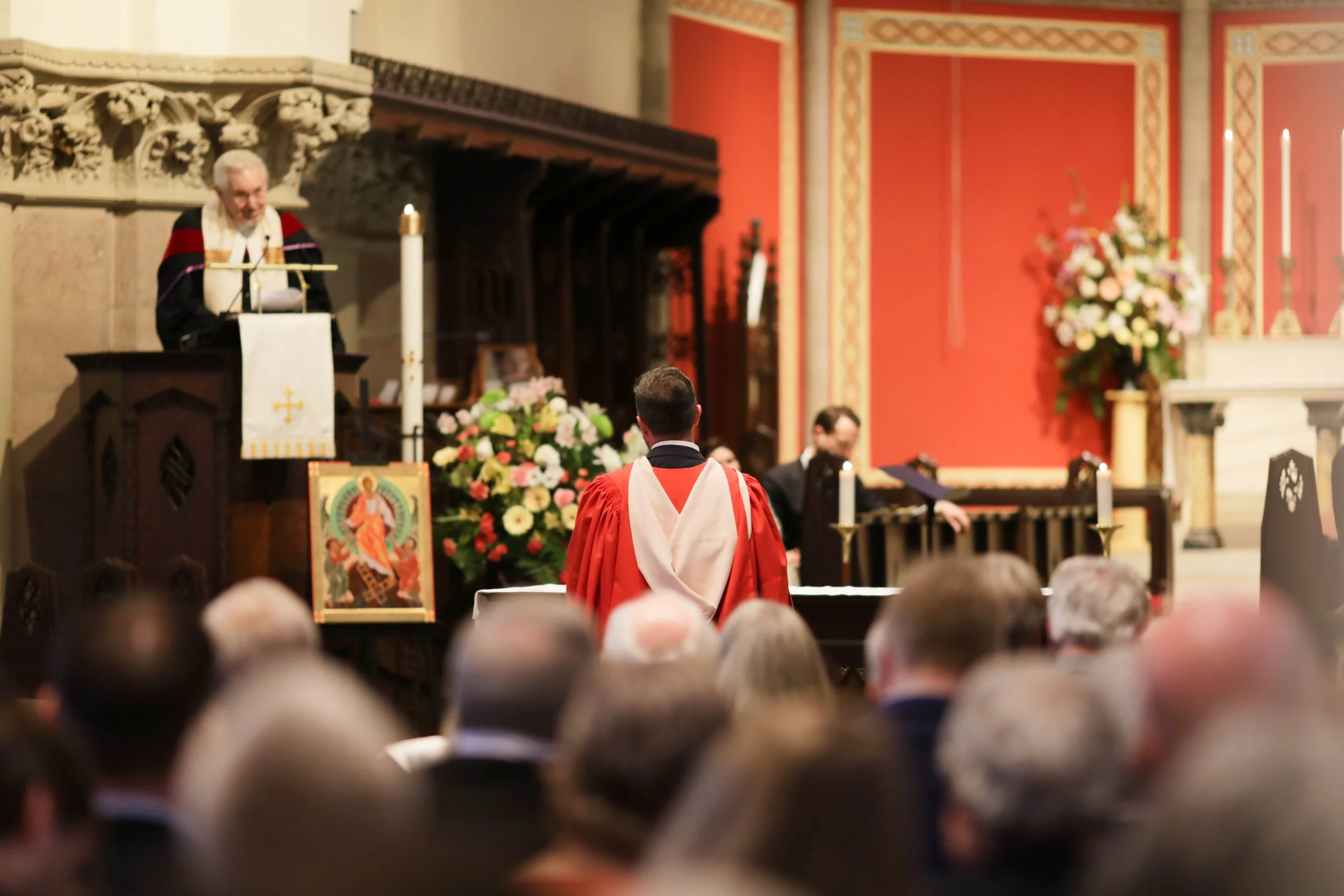
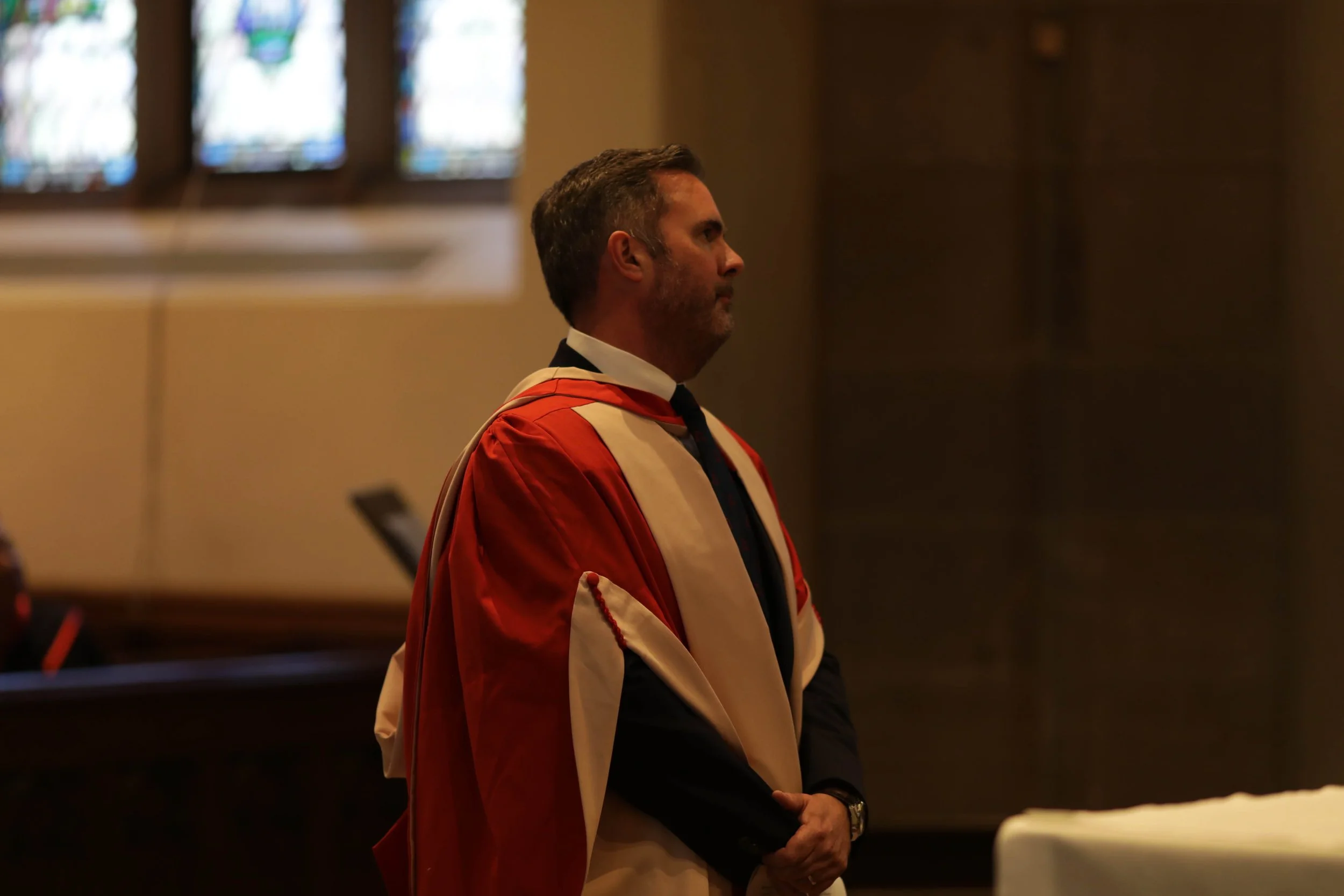
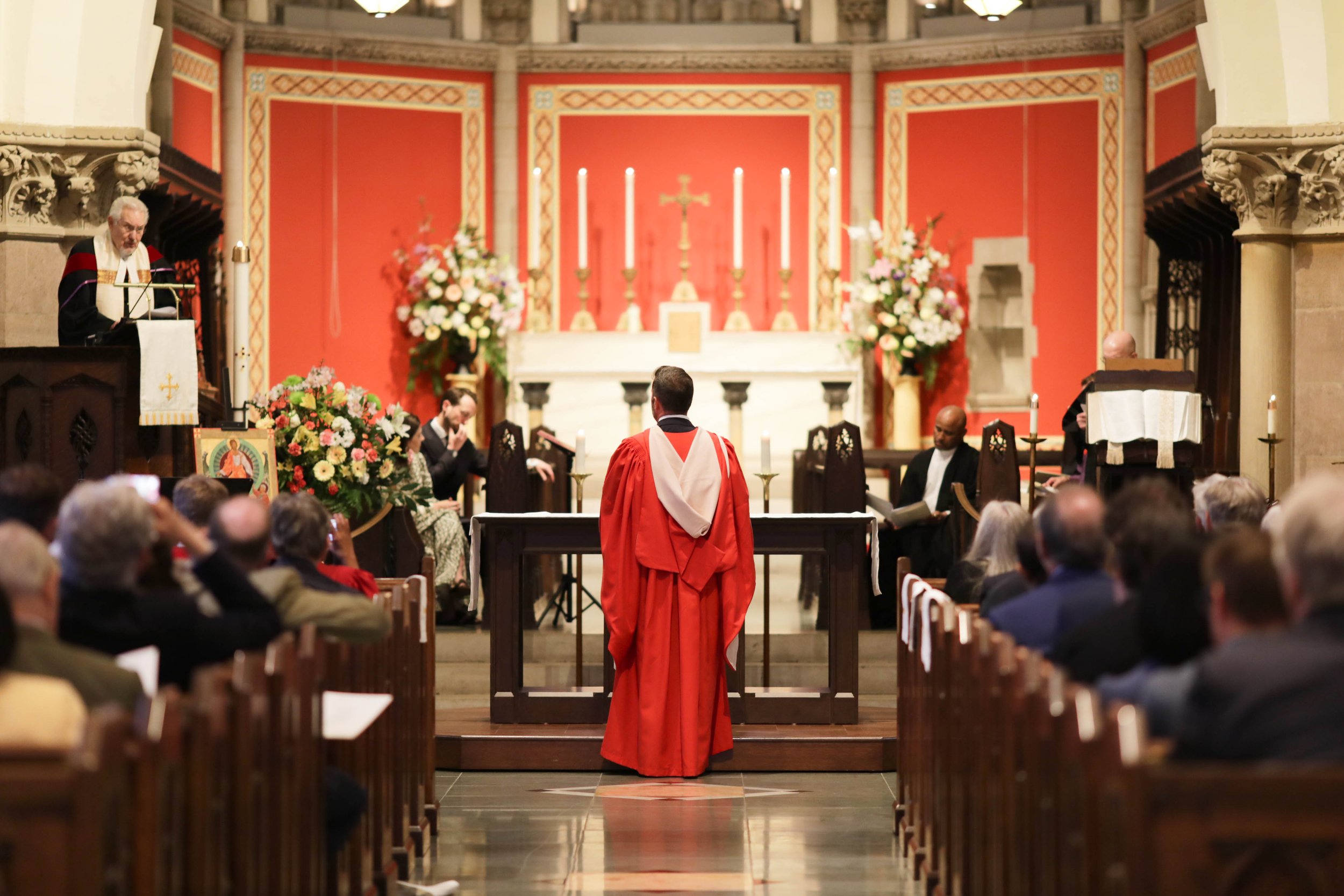
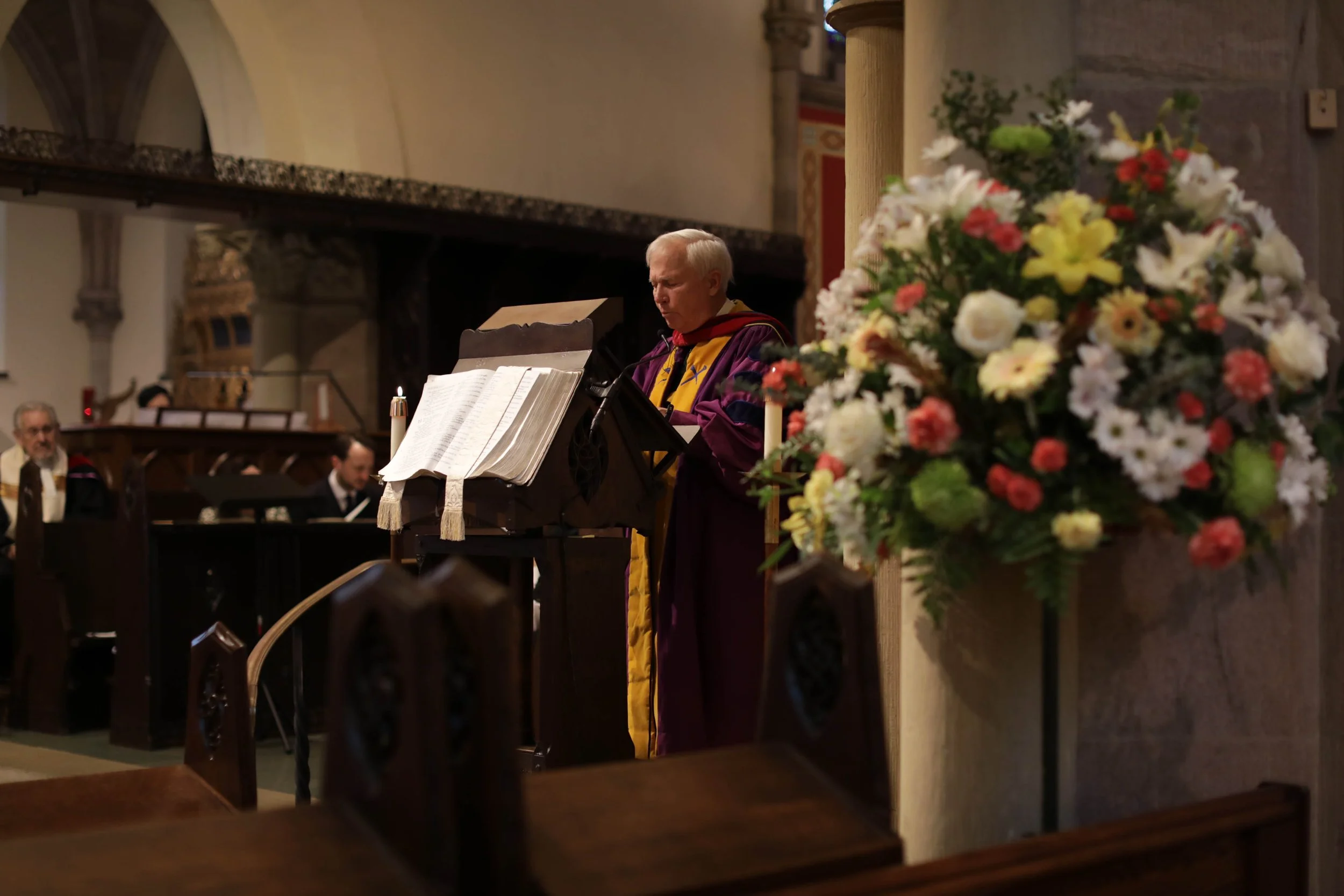
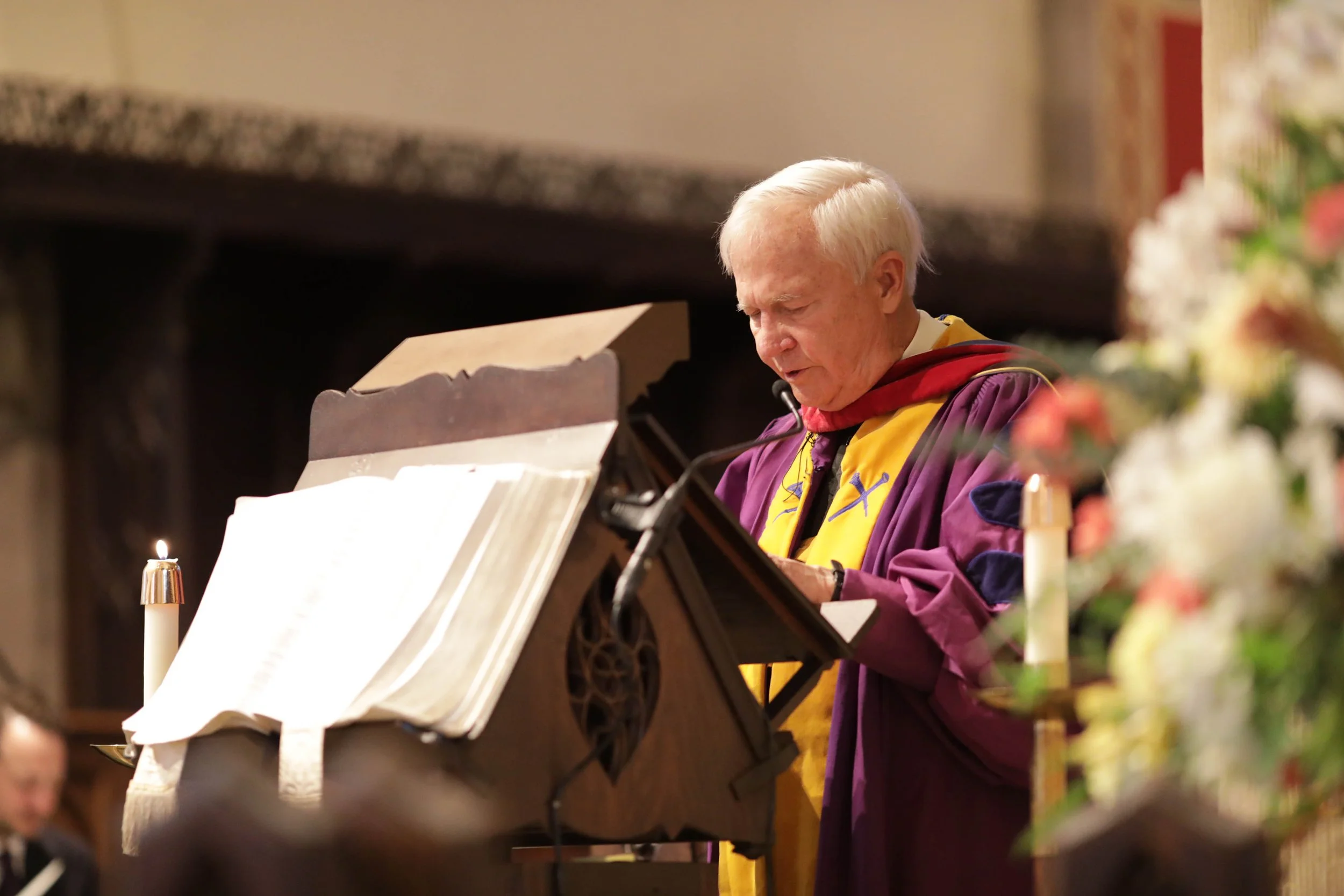
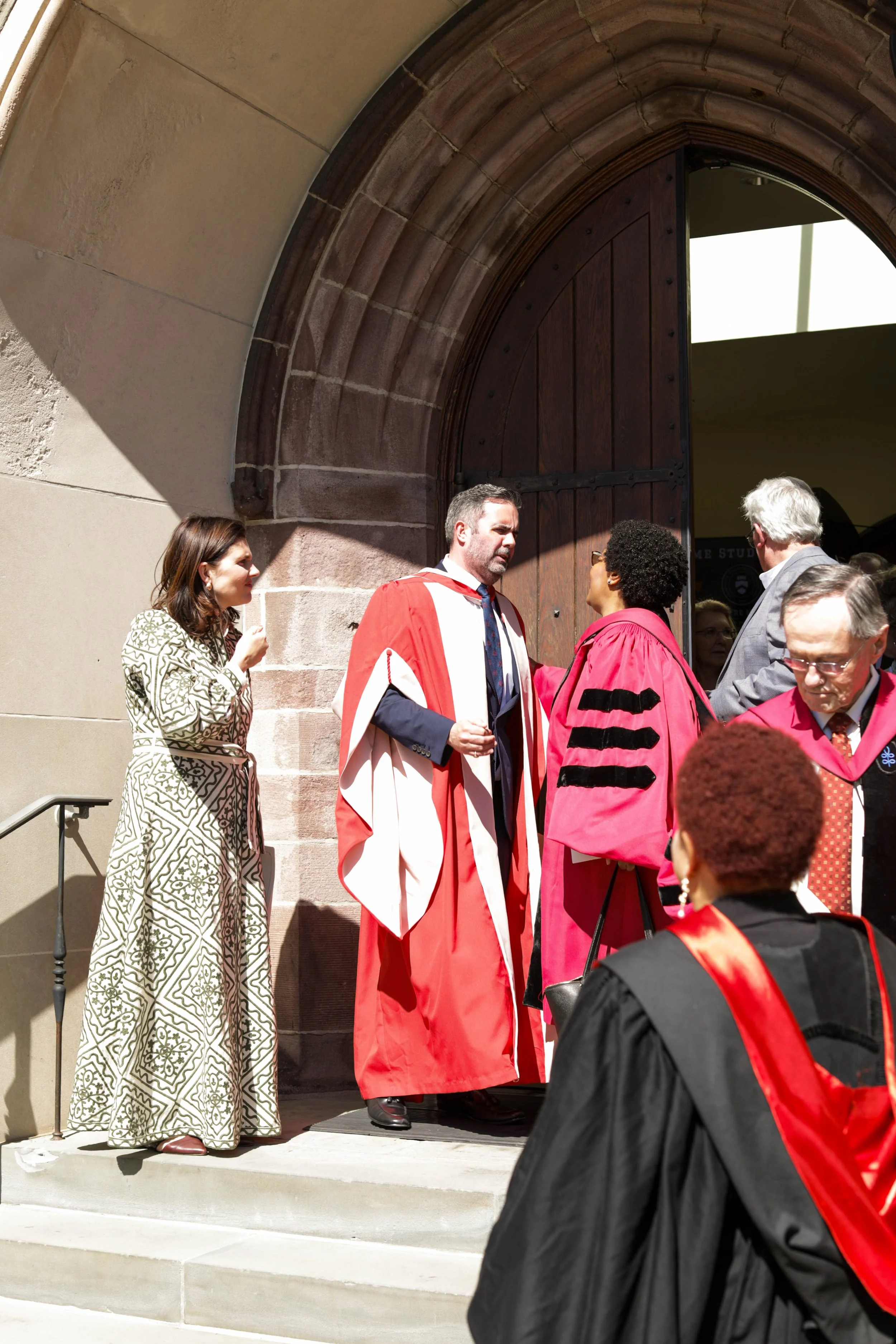
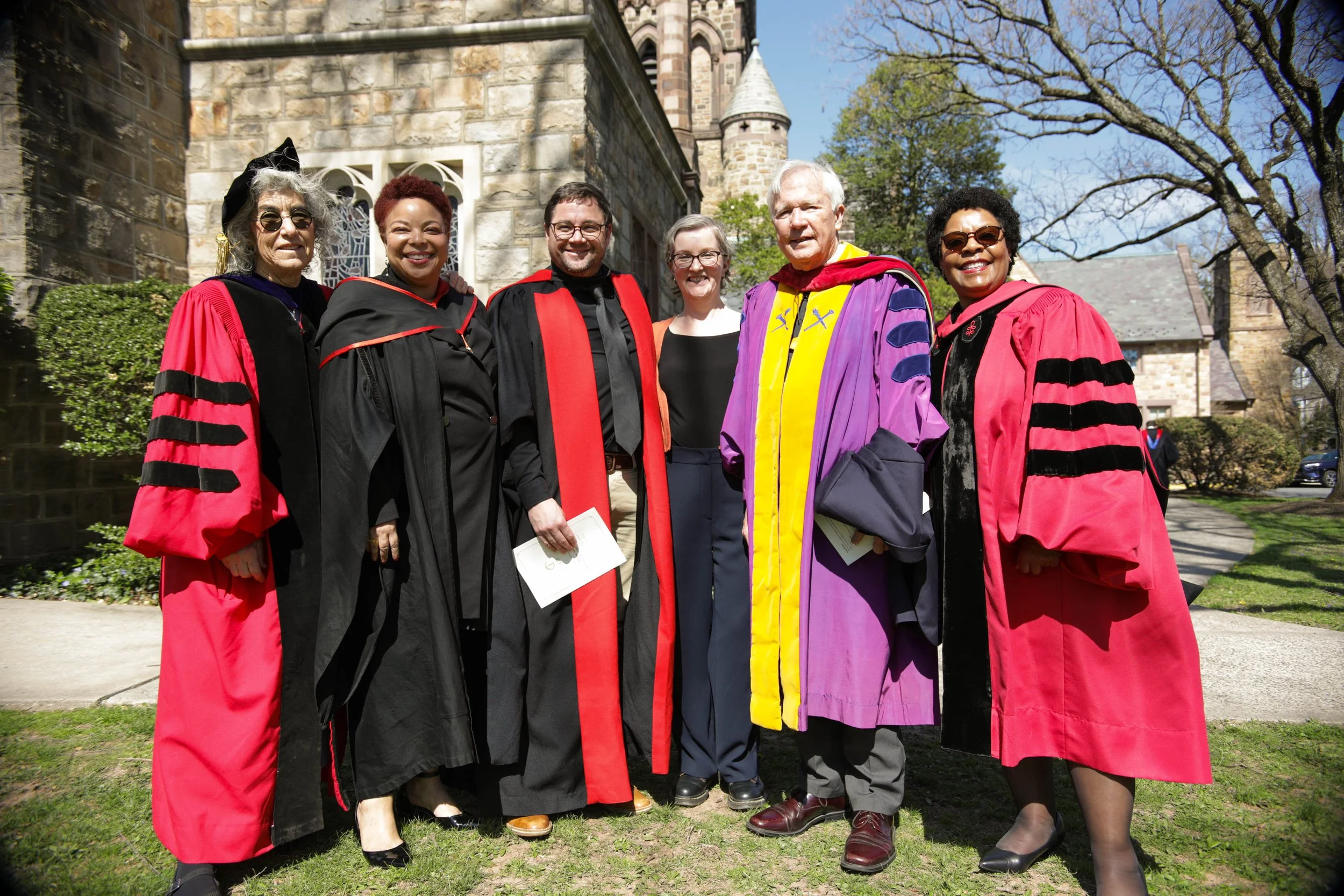
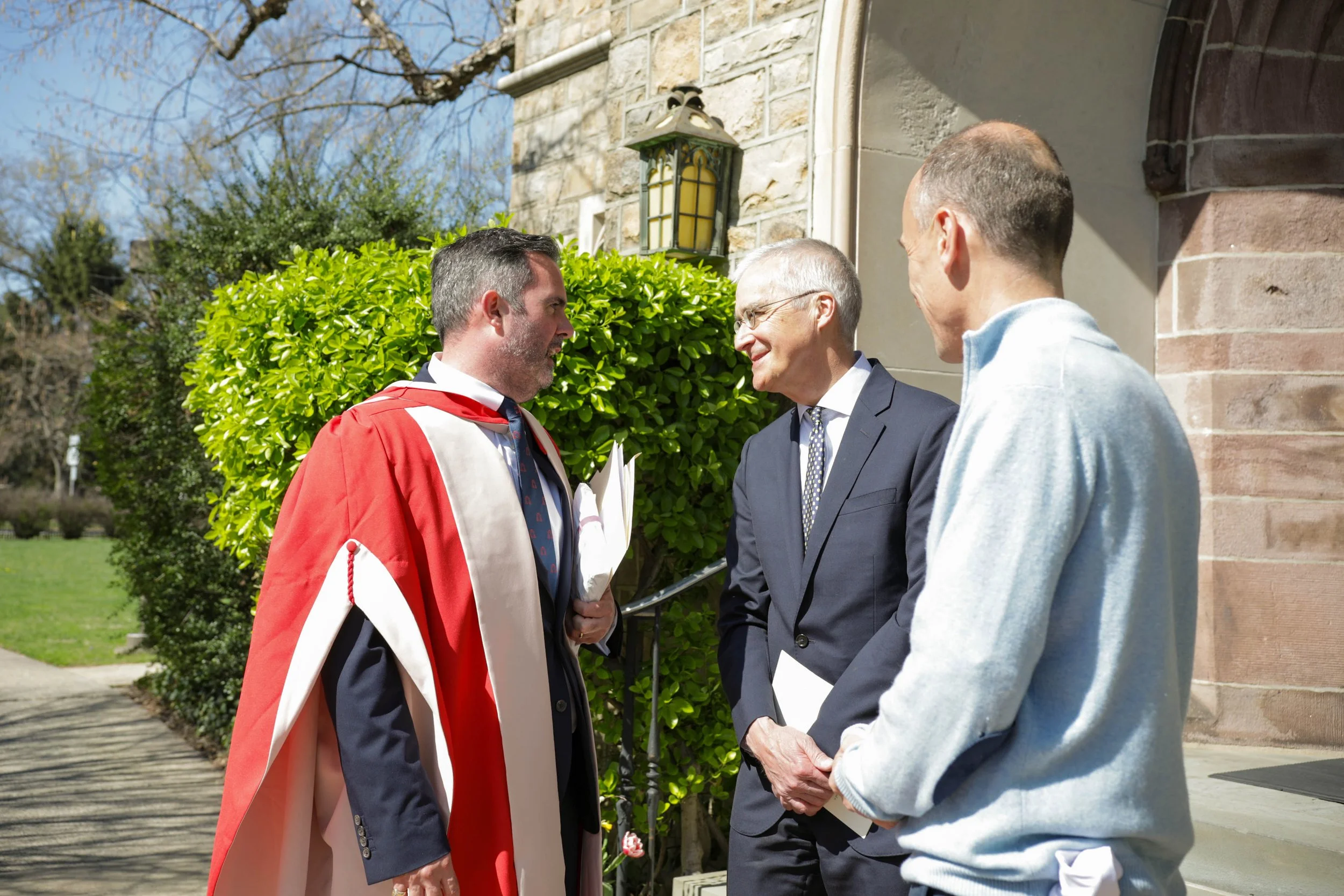
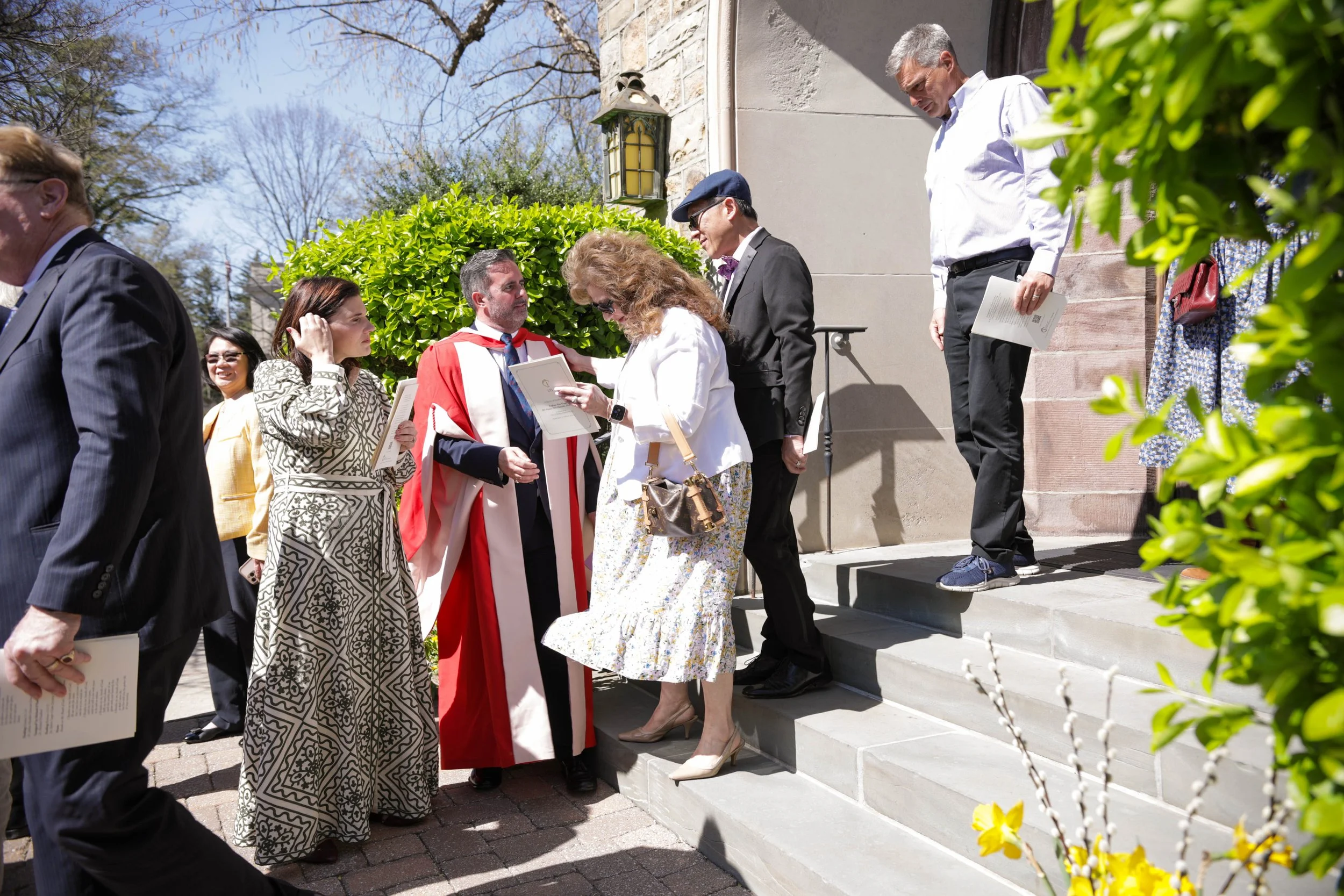
The weekend culminated Sunday afternoon with the Service of Installation in the spectacular sanctuary of Princeton’s Trinity Episcopal Church. Comprising an academic procession, hymns, prayers, readings, a sermon from Greggs, and a rite of inauguration officiated by CTI trustees and distinguished guests, the service manifested the doxological heart of sound theology.
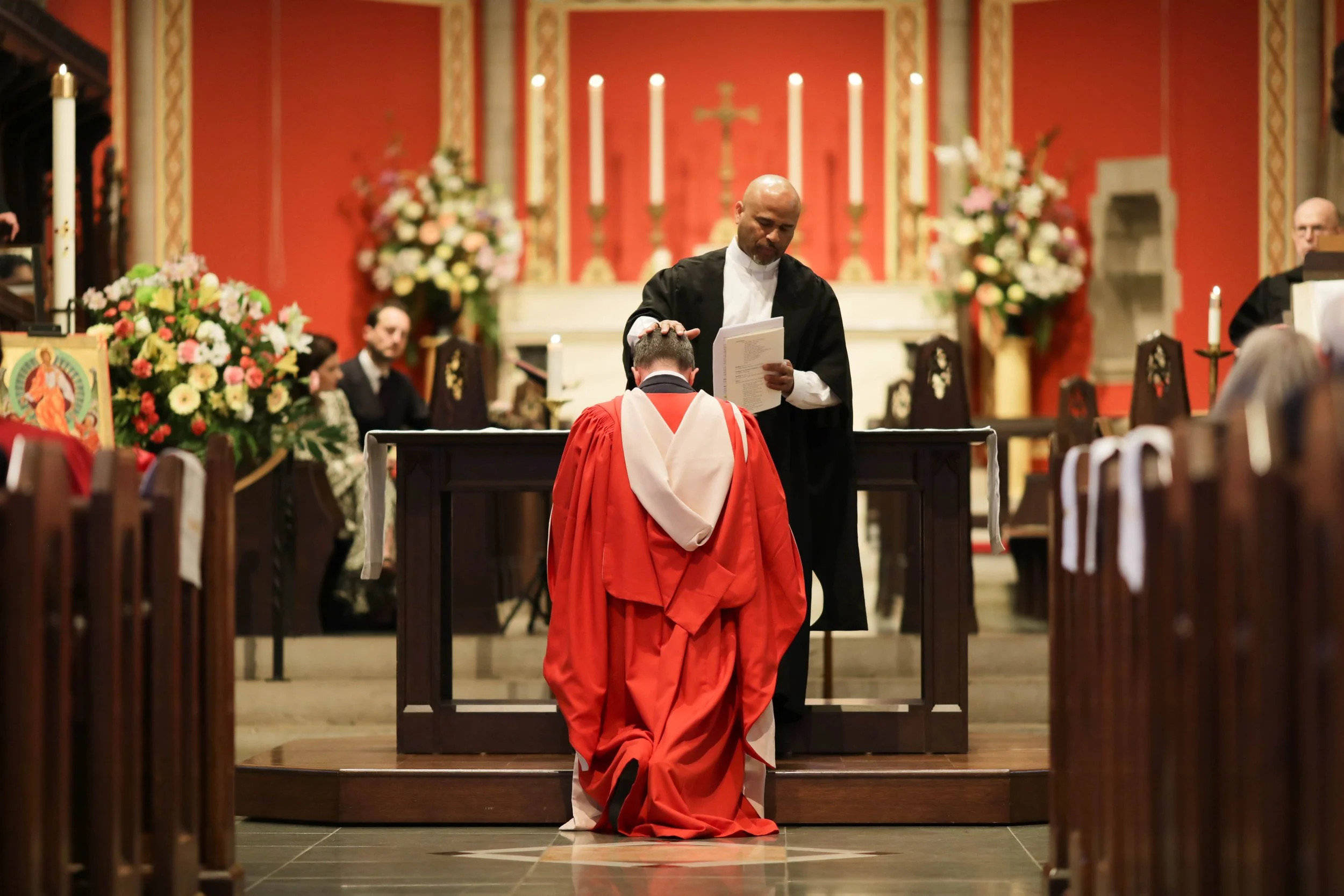
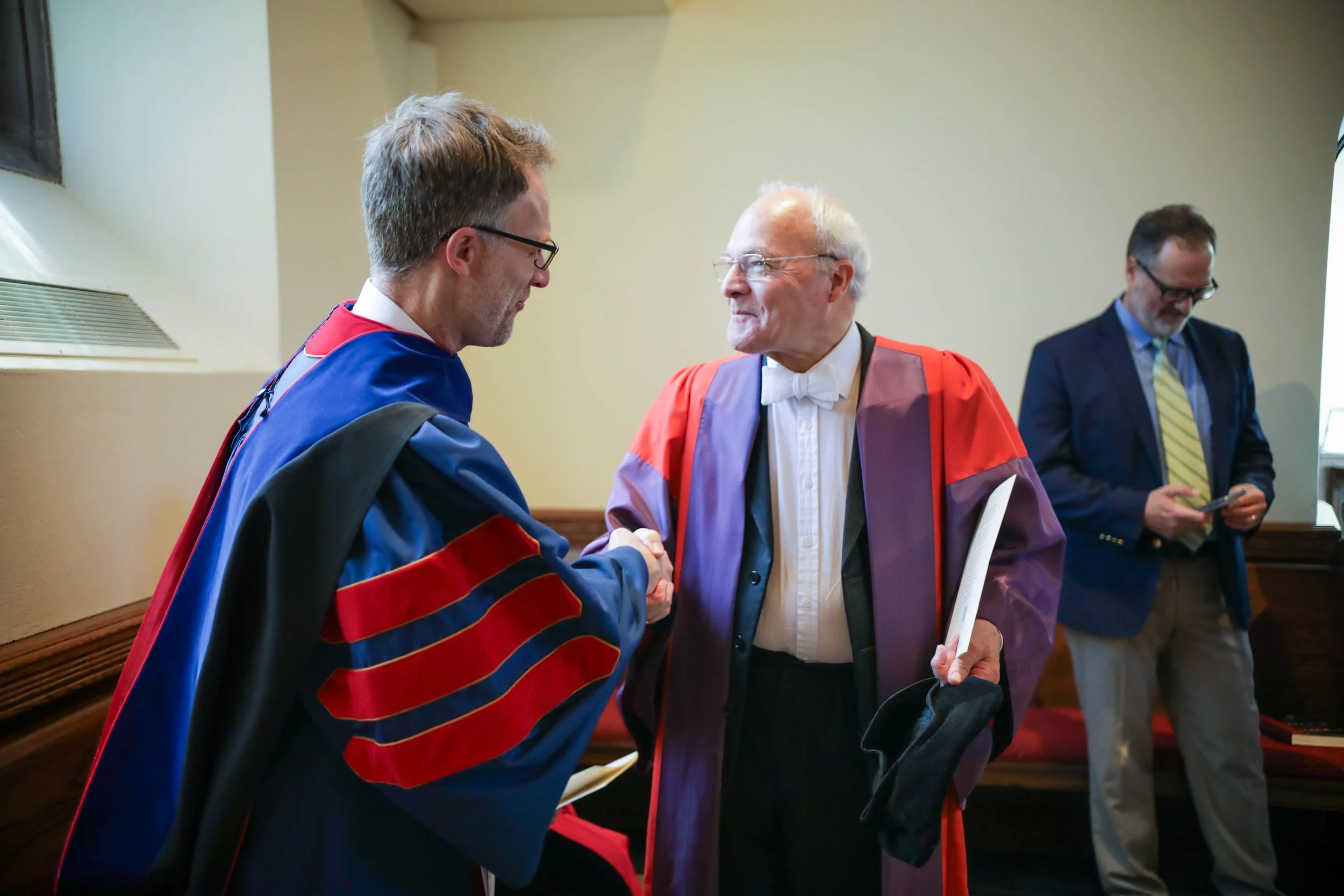
CTI Trustee Rev. Darrell Armstrong blesses Tom Greggs upon his installation as CTI Director.
A Reinvigorated Mission
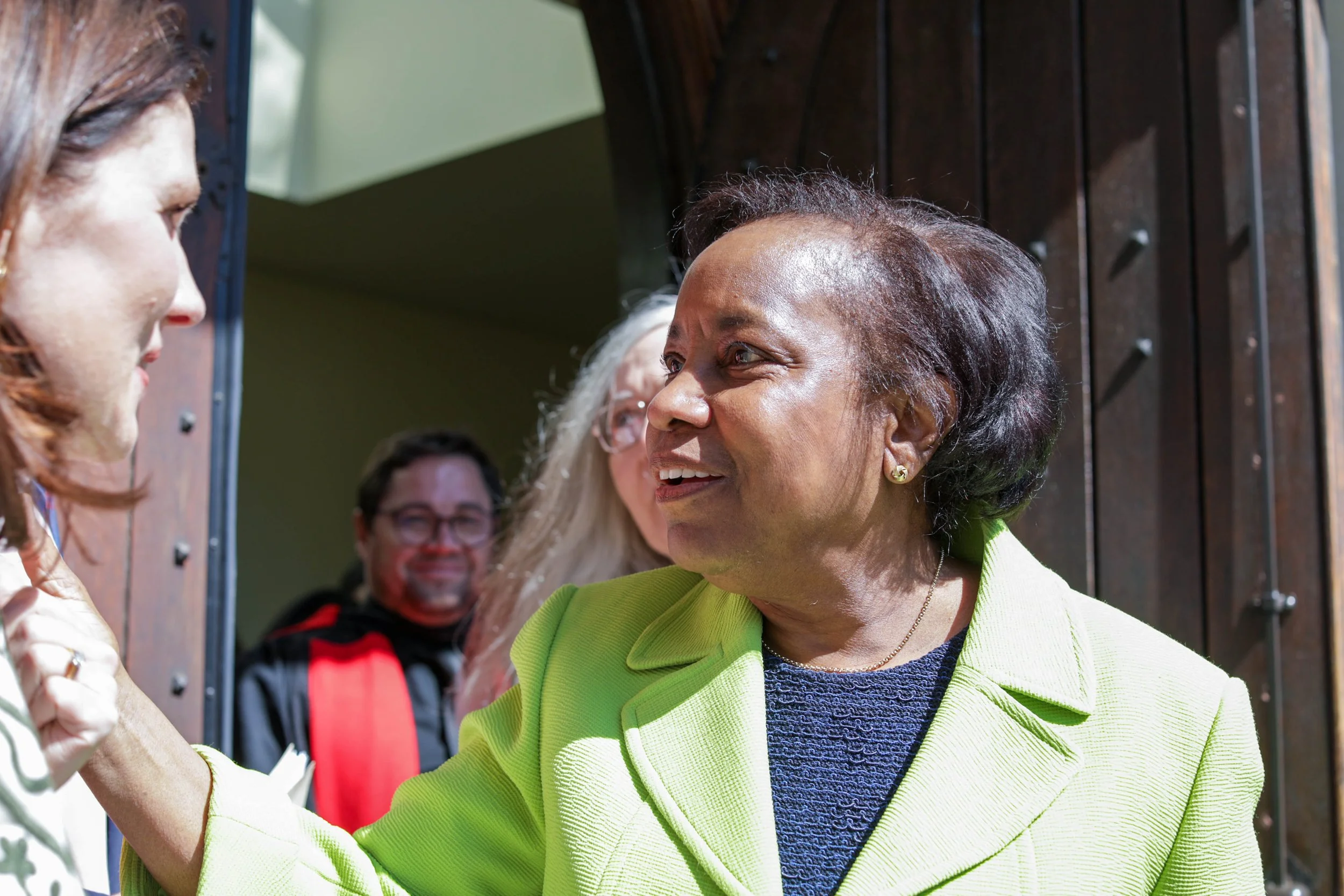
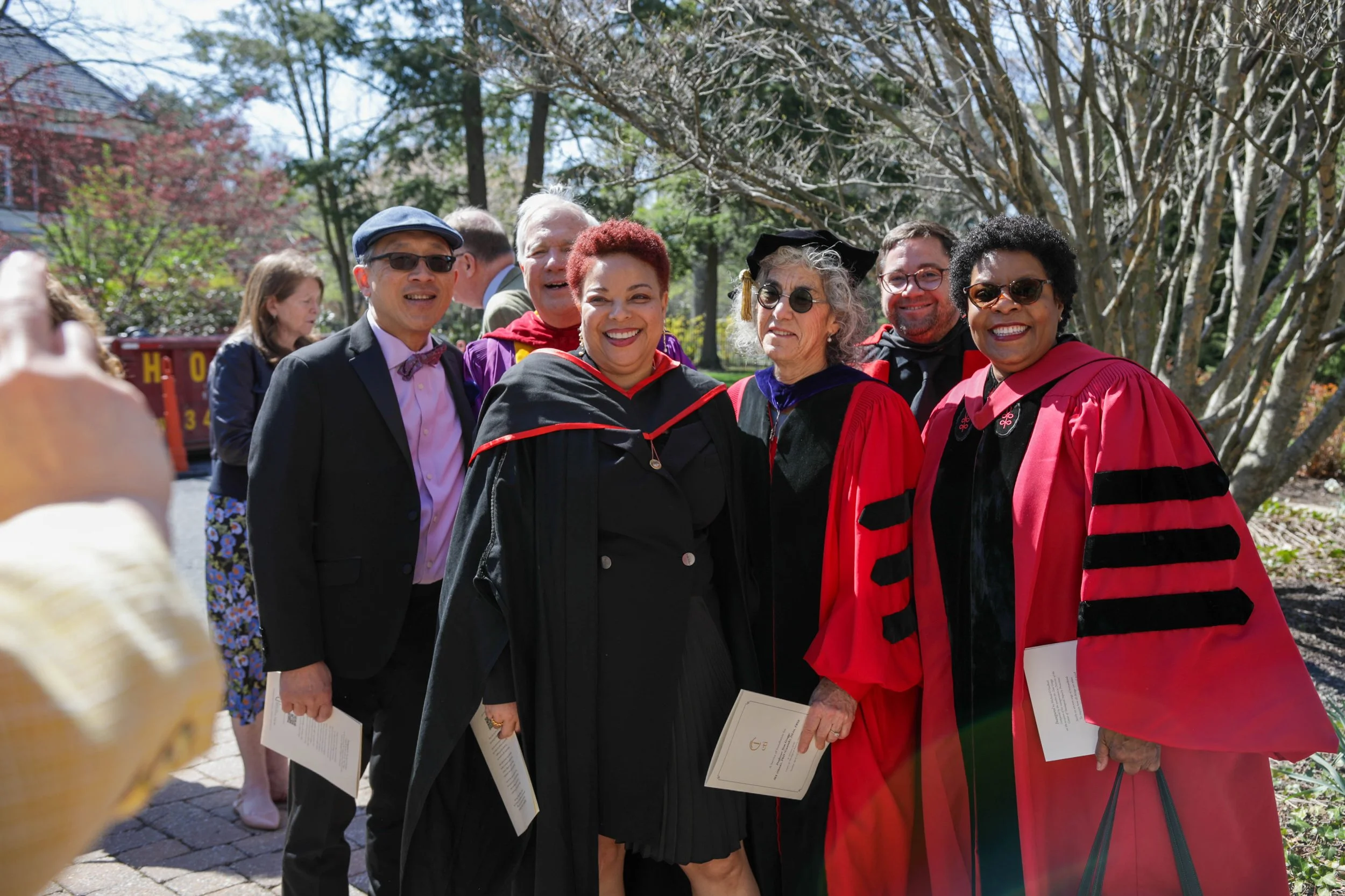
A palpable excitement about CTI’s future animated the weekend’s concluding reception. Amidst a social moment marked by division, apprehension, and technological transformation, the celebration exemplified the capacity of rigorous interdisciplinary theological inquiry to build bridges, cultivate understanding, and contribute to catalyzing cultural renewal. With Tom Greggs’s leadership, CTI is poised to realize that promise as it pursues a theological renaissance in service to God for the benefit of the church, society, and all creation.