
Case Study: Scriptural Reasoning
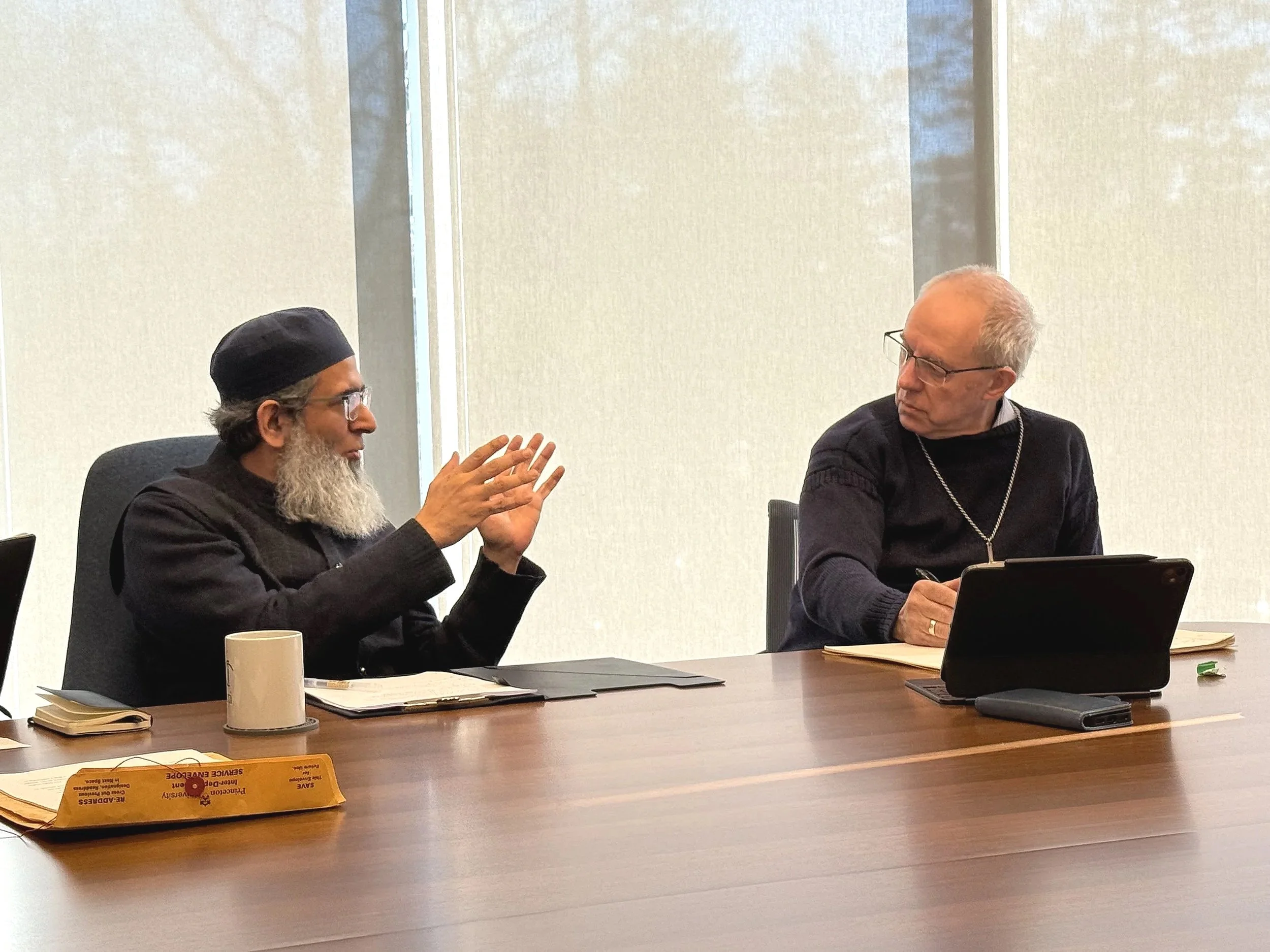
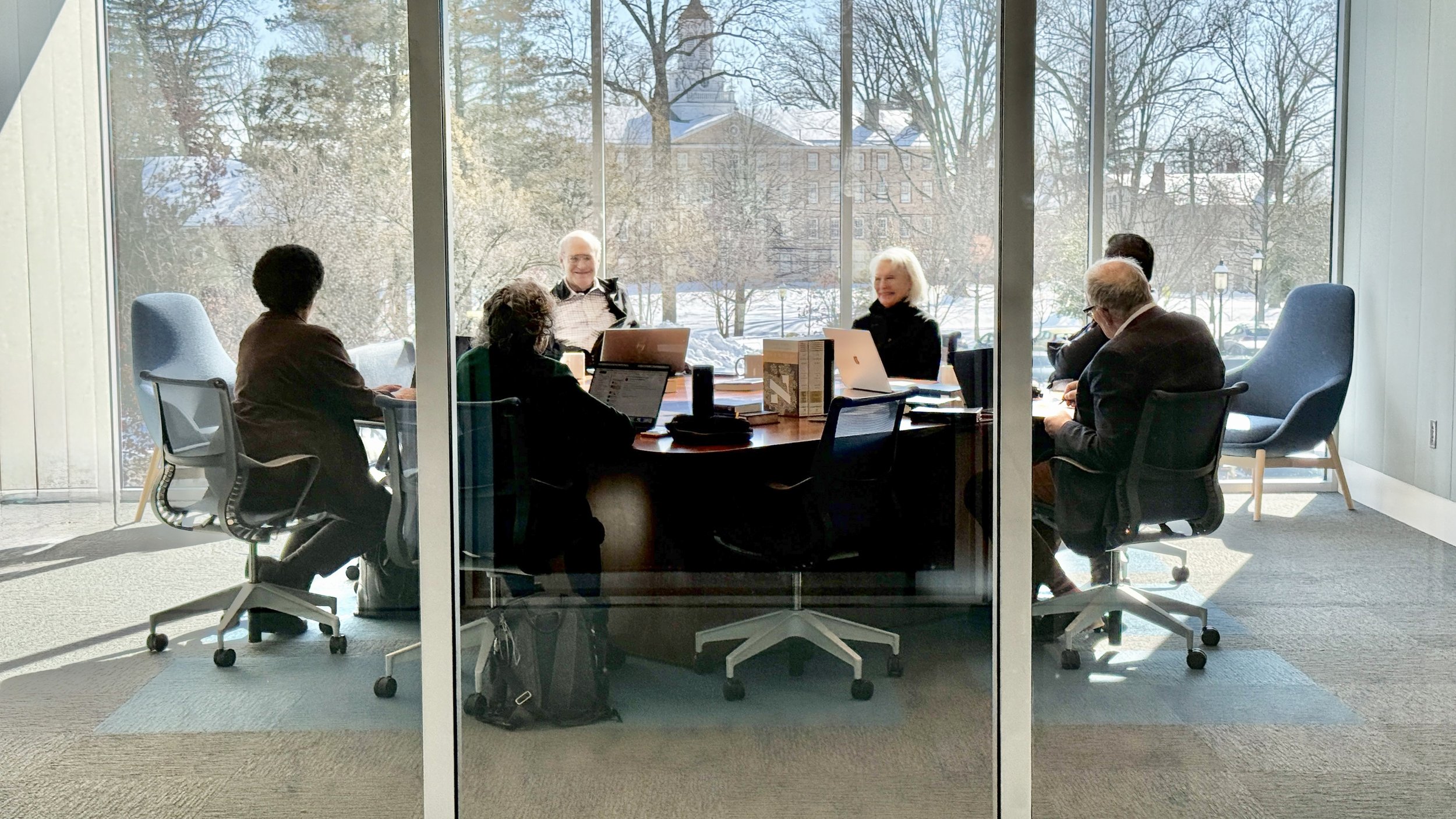
Through deep engagement with each other’s Scriptures together, we seek to foster new ways of thinking that reach beyond tolerance, and that acknowledge the fundamental differences which exist between our faiths without presuming that these need to lead to violence. Scriptural Reasoning seek to delve deeper into how our different Scriptures with their exclusive claims can be sources of healing and reconciliation in a divided world without pretending we agree. We invite those who are most committed to the truths of their scriptural revelation to participate, ensuring it is not just liberal members of faith communities who can work together in ways that fulfil their belief that their faith is the most active and fundamental possibility of transformation of society.
Scriptural Reasoning began as a deep piece of research here at CTI by world-leading academics, including professors from Cambridge, Oxford, Toronto, and Chicago Universities. However, in the last thirty years, SR has had global ramifications for the good of society throughout a world ravaged by religious violence since its inception at CTI. Scriptural Reasoning has had demonstrable global real-world reach across education, healthcare, prisons, community dialogue and publications. Very indicatively, this includes:
• In schools, SR-derived programming has reached, for example, approximately 5,000 children annually in 70 schools across 17 London boroughs.
• In medical settings, 10 SR groups of 20–40 doctors, nurses and medical students were established in Israel, and SR seminars subsequently became a mandatory component of medical and nursing studies in three hospitals.
• In civic contexts, Cambridge University’s online SR project secured funding from Research Councils UK, for example, to make interventions with 15 civic groups, each with around 60 participants over 18 months.
• Prison pilots included, for example, work with chaplains and groups of Christian and Muslim women prisoners in the USA.
These figures show SR’s ability to move beyond academic theory into institutional practice, forming habits of listening, religious literacy, mutual recognition and constructive disagreement in settings where social trust is fragile.
One of CTI’s greatest gifts to the world was a mode of inter-faith engagement called Scriptural Reasoning (SR), pioneered here under our first Director, Professor Daniel W. Hardy alongside CTI fellow and Jewish philosopher, Professor Peter Ochs. SR aims at creating spaces for hospitality and dialogue without any impingement on the particularities and exclusive claims of faith. Its aim is not to reach agreement but to learn to disagree better and virtuously. Using Scriptural texts as the very basis of our means for dialogue, SR encourages healing in a world in which cheap faith presumes the only options are either an oppositional fundamentalism or a lowest common denominator spirituality. SR wishes to improve the quality of our difference, not engage in inter-faith as a dishonest dialogue engaged in dishonestly.
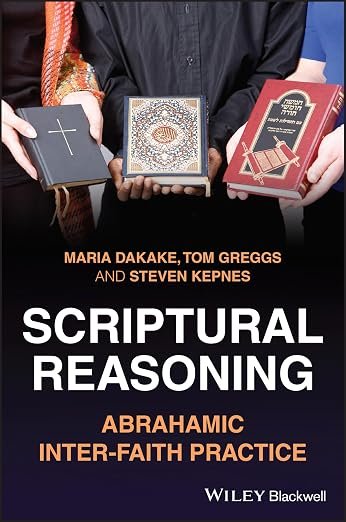
SR’s intellectual and institutional outputs are also substantial, and has changed and shaped university and seminary teaching and syllabi. The Journal of Scriptural Reasoning has reached volume 21 2026, and bibliometric indexing records 95 further publications on the topic of Scriptural Reasoning, with and average of 516 citations.
The practice has also seeded related approaches in reconciliation pedagogy and helped create a greater confidence in Christian use of the Bible in Theology and public life through Christian Biblical Reasoning. For example, the Rose Castle Foundation reports having equipped nearly 2,000 reconciling leaders through such practices, while a related biblical research project gathered over 50 scholars from Aberdeen, Cambridge, Durham and Oxford to develop resources for reconciliation across ecclesial differences in church communities.
Taken together, it is possible to see that the academic practice of Scriptural Reasoning begun at CTI is not simply a model of inter-faith conversation but a scalable practice with measurable educational outputs, institutional adoption, funded digital innovation, scholarly production, and real-world application in contexts of religious and civic tension.
All of this was made possible by research conducted at CTI. And this is just one example of the real world impact of our research. Most importantly, that research at CTI and the impact which flowed from it was only made possible by the financial support of our donors and founders. You, too, could be part of this kind of transformative work.