
CTI Welcomes the Health and Medicine Cohort for Virtual Phase of the From Despair to Hope Project
By Rachael Uwada Clifford
On Wednesday, September 23, the Health and Medicine cohort of the From Despair to Hope project gathered virtually for the first time—in anticipation of being in residency together in Princeton next spring.
The Health and Medicine cohort includes fellows Claire Mesick, Brett McCarty, Gerald McKenny, Alexandra Pârvan, and John Swinton.

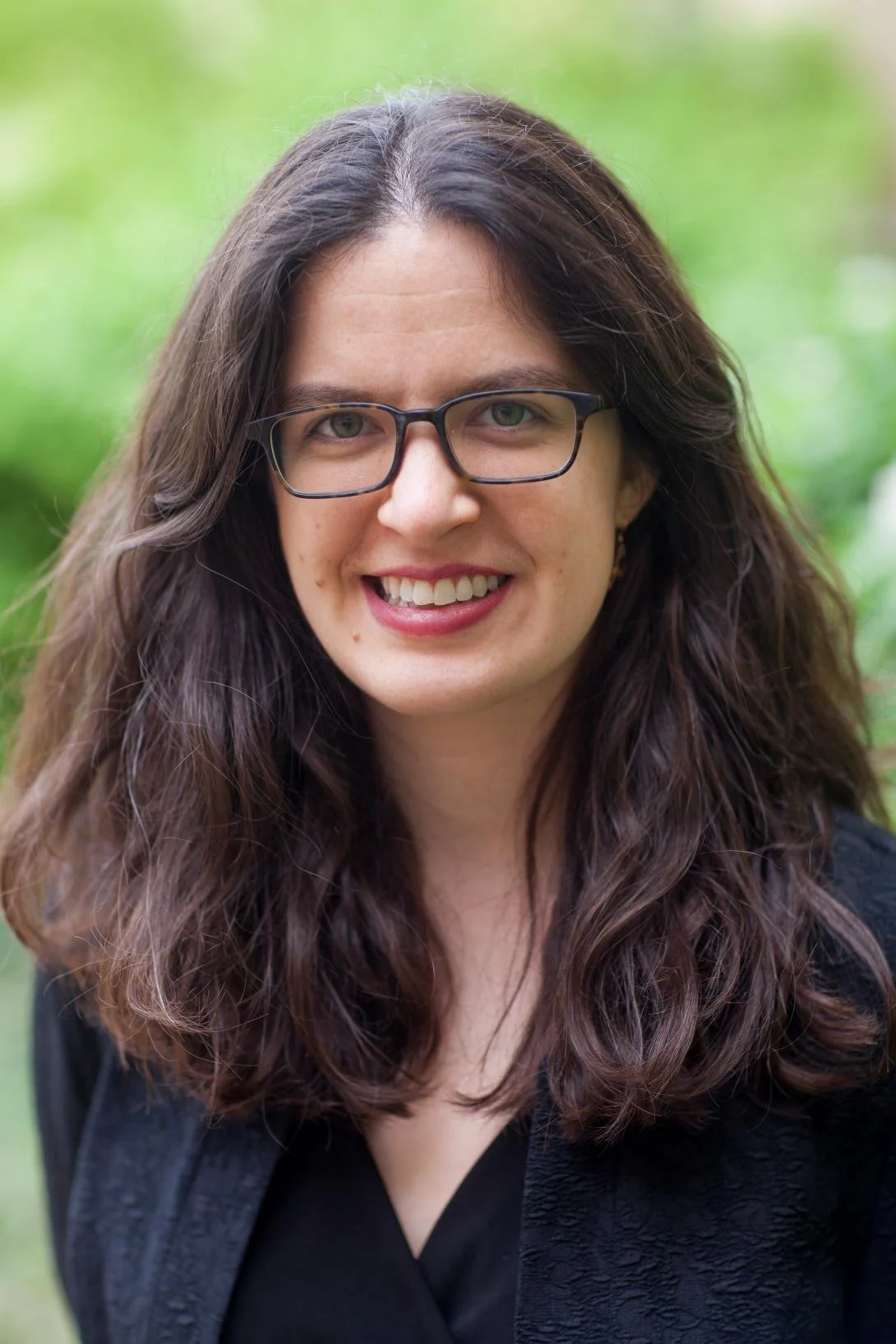


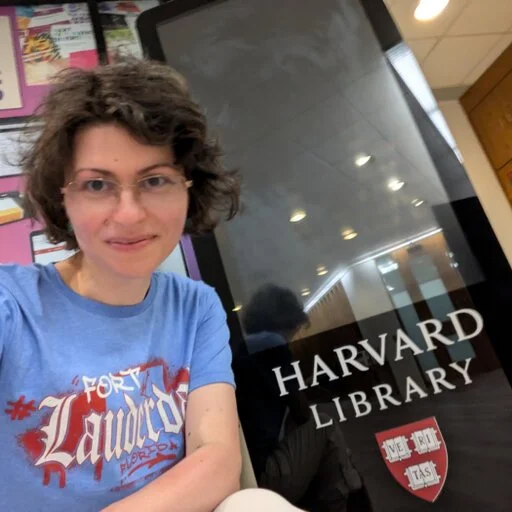
In this first phase of fellowship, cohort members will meet virtually for 12 weeks to initiate their interdisciplinary inquiry into hope. Convened by psychologist and theologian Jonathan Lewis-Jong, sessions will include guest speakers, discussions of readings, and—hopefully—plenty of connection.
During the introductory gathering, interdisciplinary consultant Rebecca Dorsey led participants through a series of icebreakers—including a question about just how many books were on the shelves behind most of them. Colleagues bonded over their personal collections of and relationships with books.
Gerald McKenny does not count his books, but in fact measures them. He approximated about 50 meters of books stuffed between his window and the floor. He loves books, and he also loves giving them away. Clair Mesick speculated that she must have just under 1000 books, while CTI Director Tom Greggs, a self-declared book hoarder who loves the physicality of paper, could not offer an estimate.
Through a three-year series of interdisciplinary, multi-theme cohorts, the From Despair to Hope project draws on the myriad ways in which theologians and other thinkers have articulated, conjured, and examined hope—at a time when individual and collective despair seems especially pervasive. The project takes seriously the capacity of scholarship to “captivate and transform the imagination of the publics,” in the words of Greggs. It is the conviction that research can and must move beyond the institution to become “public wisdom.”
Throughout the session, Dorsey prioritized a relational framework—in pursuit of the idea that “when we know each other as humans,” collective scholarship is stronger. If that is true, the first laughter-filled session indeed bodes well for the new cohort’s embarkation onto a journey of interdisciplinary hope inquiry at CTI.