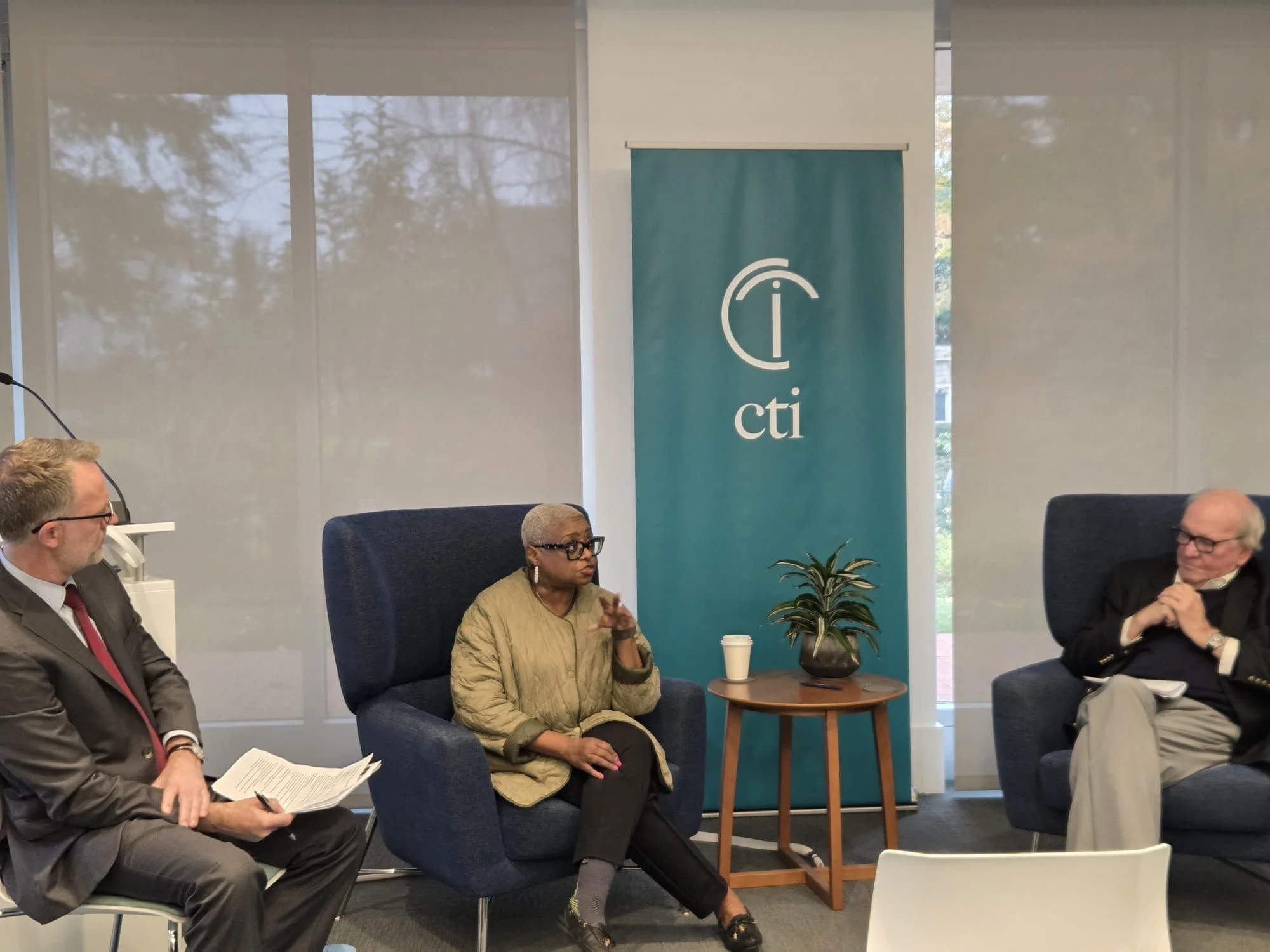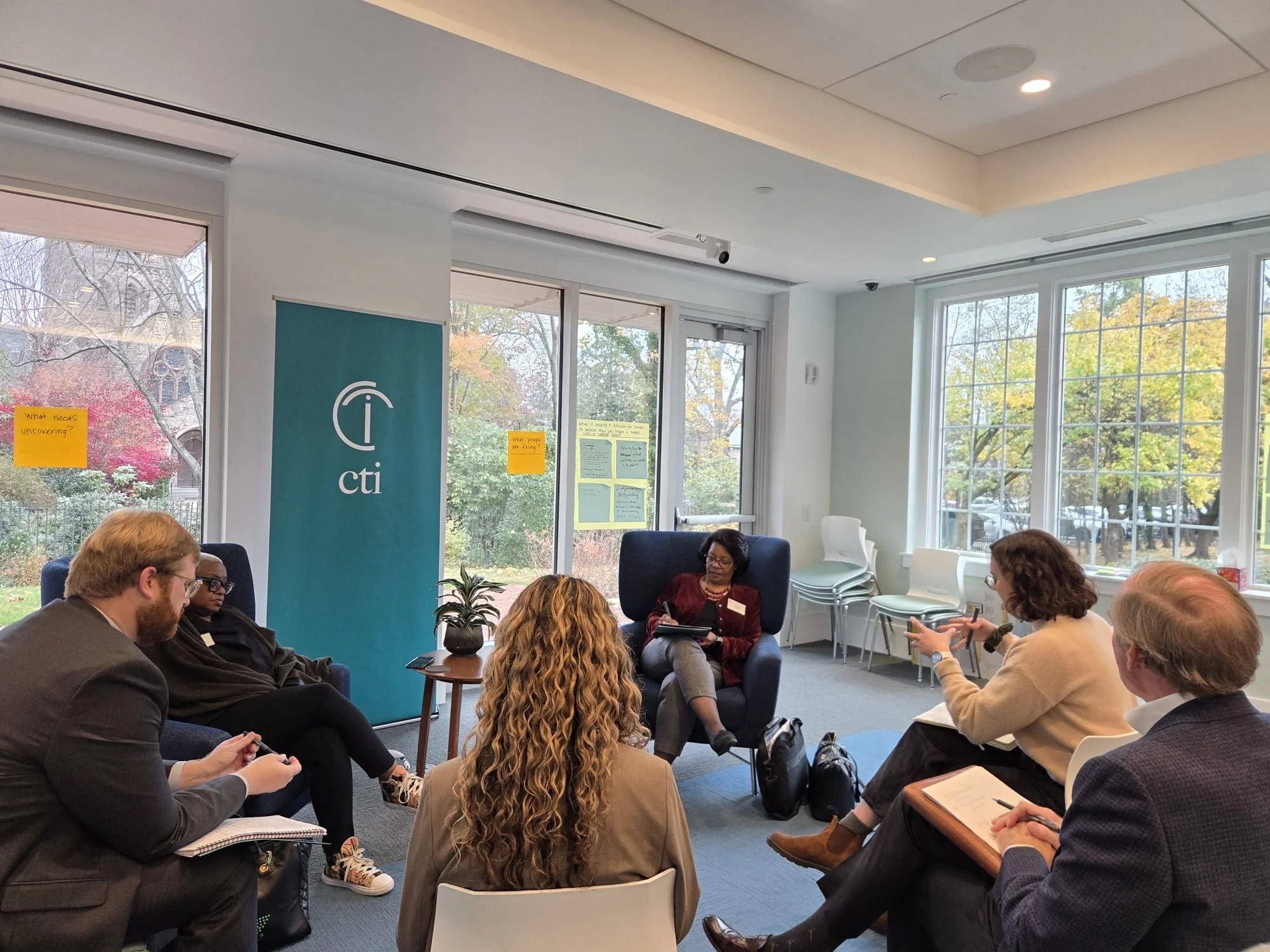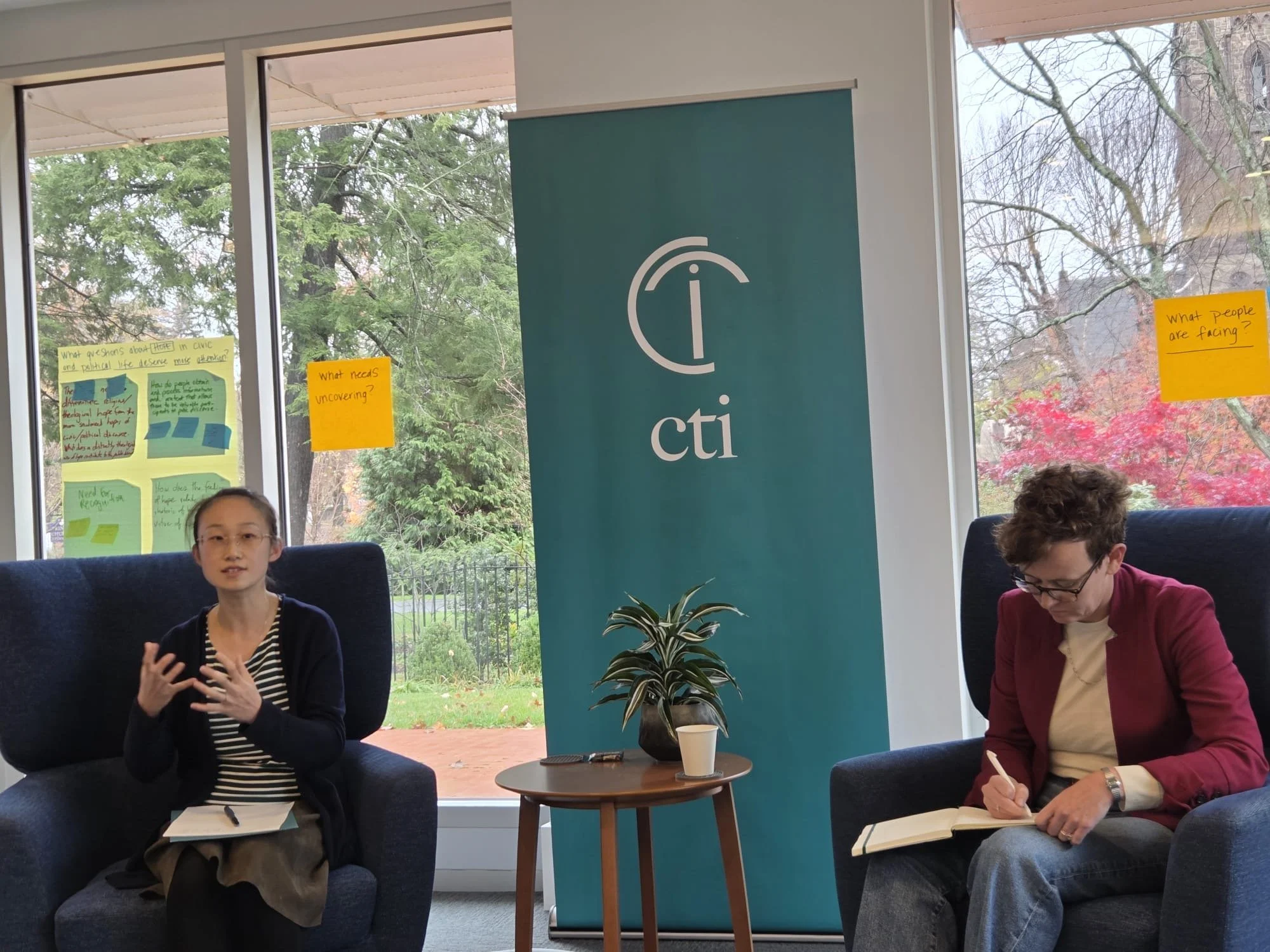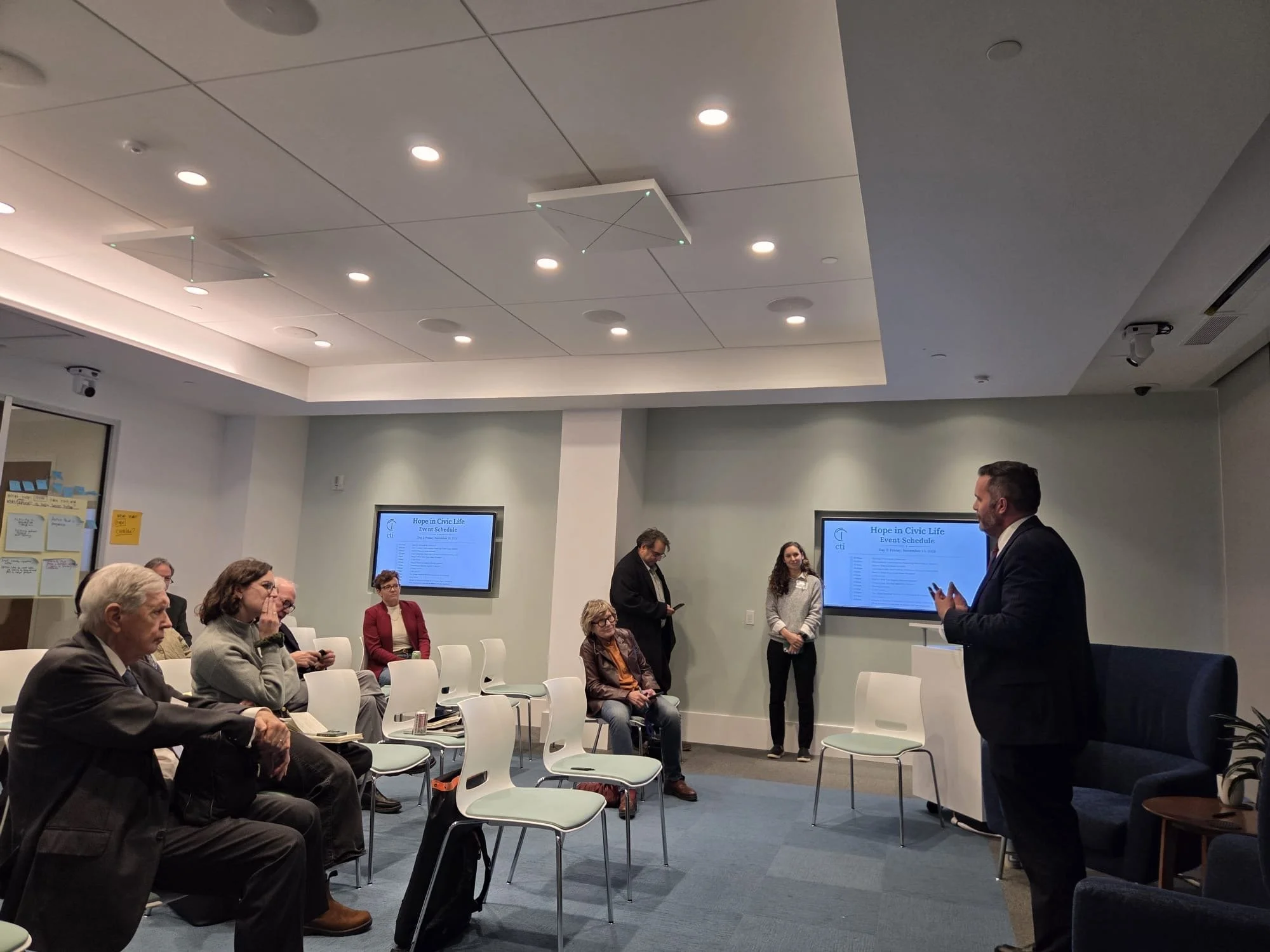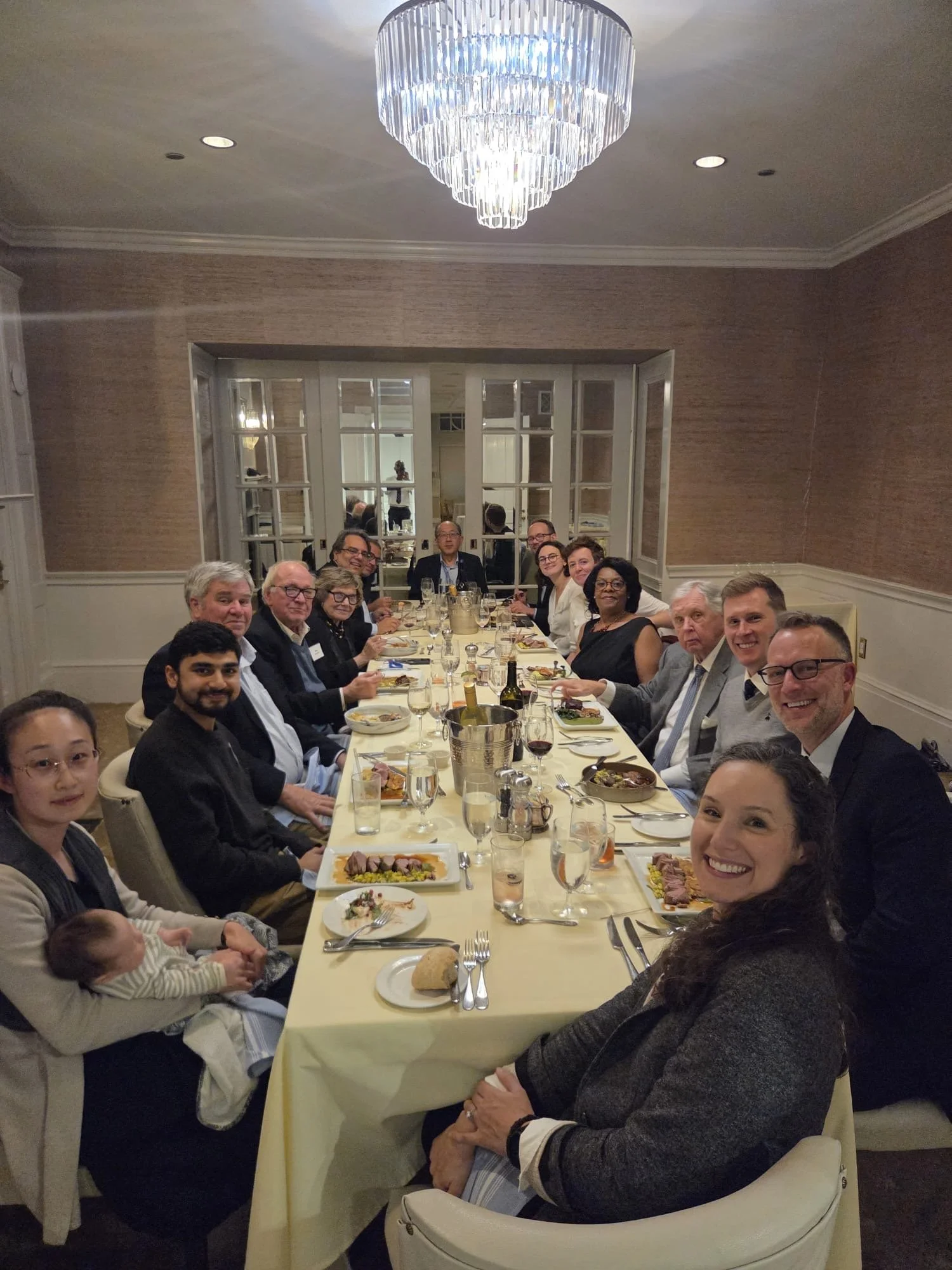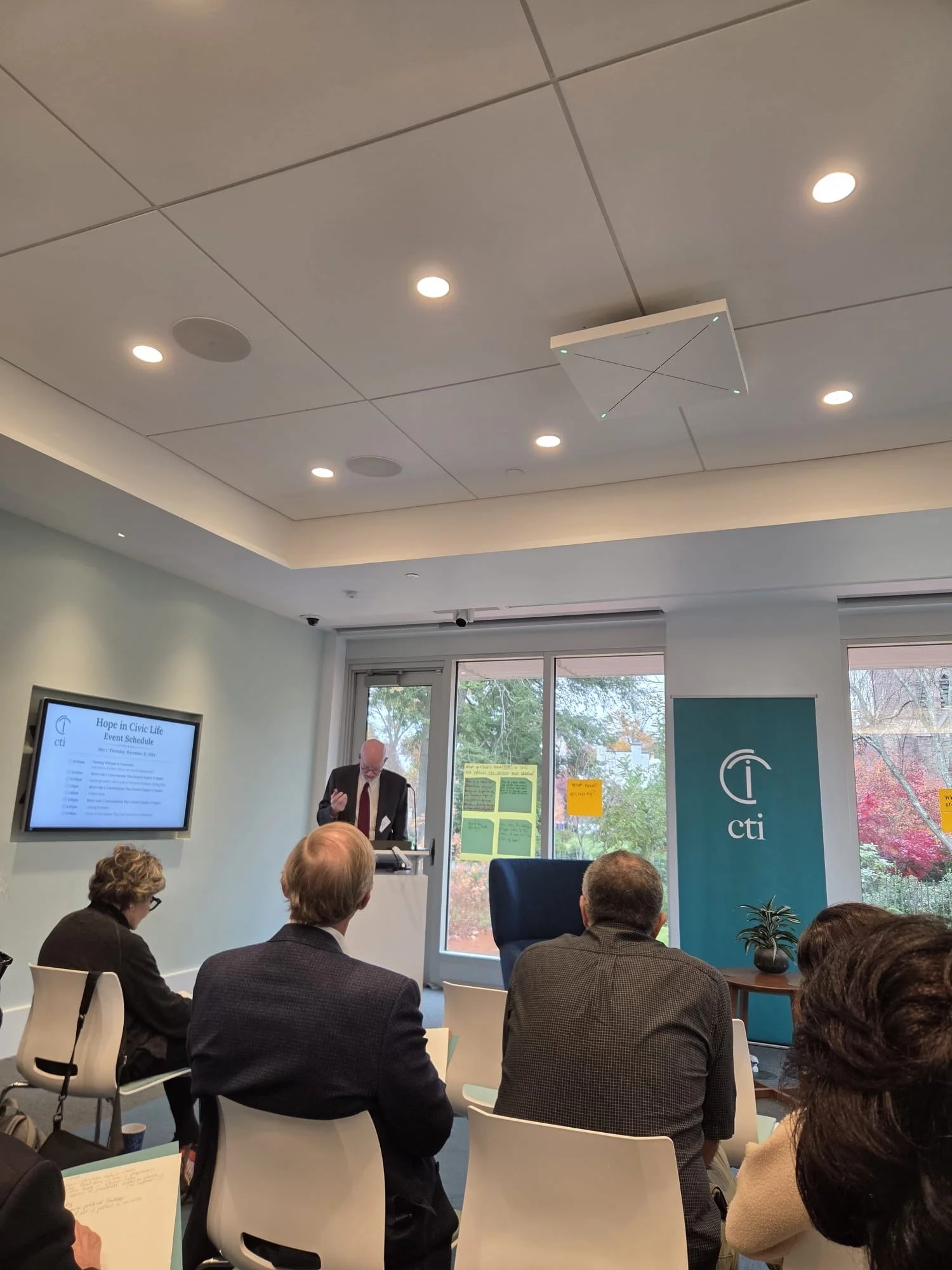
What makes it difficult for people to believe they can shape a better civic or political future? What helps hope take root, and what makes appeals to hope seem hollow? On November 12 and 13, 2026, scholars and distinguished guests from the worlds of politics, journalism, business, philanthropy, and community organizing gathered at the Center of Theological Inquiry (CTI) to explore these questions in a collaborative workshop, Hope in Civic Life. The workshop brought CTI Fellows into conversation with experienced civic leaders to consider how scholarly inquiry into hope and despair might inform public life.
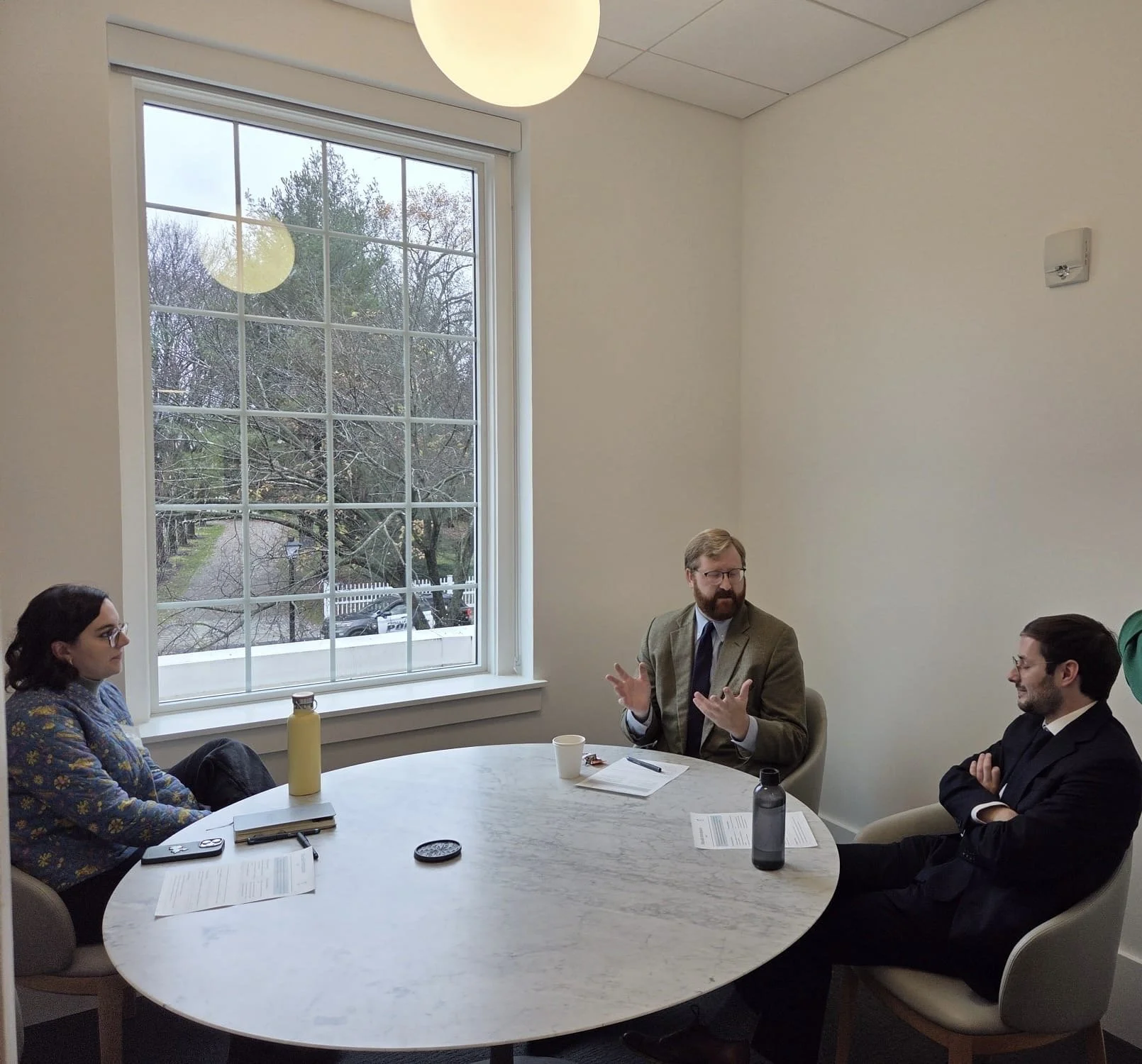
Over three micro-labs titled Conversations That Connect Inquiry to Impact, CTI Fellows Dallas Gingles, Shaun Casey, Valerie Cooper, Ruben Rosario Rodriguez, Susie Triffitt, Vincent Lloyd, and Amos Yong presented proposals for a collaborative book project on hope and despair. Rather than following the conventional format of academic presentations, the micro-labs invited guests to rotate through small-group conversations, bringing their professional experiences to bear on the scholars’ questions, identifying connections across their projects, and exploring their potential relevance beyond academia.
Several conversations brought questions of faith into direct engagement with American politics. Tom Byrne, former chairman of the New Jersey State Democratic Party; Mike McCurry, former White House Press Secretary to President Bill Clinton; and Adam Thomas, Executive Director of Princeton’s James Madison Program, shared their perspectives on questions raised by Dallas Gingles’s and Shaun Casey’s research on Christian nationalism, as well as Amos Yong’s recent book, Trump and the Politics of Prayer: Inside the Spiritual World of His Faith Advisory Team.
Other exchanges explored the meaning and practice of hope within particular communities. Bishop Leah D. Daughtry, a prominent faith leader and political organizer, engaged with Valerie Cooper and Ruben Rosario Rodriguez on hope in Black Church communities and Latino theology, respectively. Media executive and former Newsweek publisher Greg Osberg brought his experience in journalism and public communication to Vincent Lloyd’s exploration of toxicity in contemporary narratives of hope.
The interdisciplinary exchanges extended to Susie Triffitt’s anthropological and theological research among people experiencing homelessness in Bradford, England. Political scientists Peitong Jing and Loren Reinoso, civic education leader Beverly Sanford, journalist Deborah Amos, and investor and civic leader Lawrence E. Bathgate brought perspectives from their respective fields to discussions of the project and its wider implications.
On the second day, the conversations broadened from individual research projects to the challenges of civic life more generally. Discussions and panels titled Exploring Where Hope Matters, Where Is Hope Needed?, What Does Hope Make Possible?, and How Can Inquiry Become Impact? considered examples ranging from student activism and labor organizing to public health initiatives, political violence, and polarization. Despite the diversity of these subjects, a recurring question emerged: how might hope move beyond an individual disposition to become a resource for collective action?
CTI Associate Director Joshua Mauldin also guided conversations about the organization and direction of the proposed book, including how to ensure that its insights remain relevant beyond the immediate political circumstances of the 2026 midterm elections. The workshop concluded with a livestreamed Global Seminar session, extending the conversation to a wider audience.
Hope in Civic Life demonstrated the value of bringing different forms of knowledge and experience into sustained conversation. For scholars, the workshop offered opportunities to test ideas against the realities of political and social life; for guests, it provided a space to reflect on the deeper questions underlying their professional and civic commitments. Together, participants illustrated how hope might emerge not simply as an aspiration for a better future, but through the relationships, critical inquiry, and collective efforts that make such a future possible. In connecting scholarship with lived experience, the workshop embodied CTI’s commitment to bringing theological inquiry into meaningful engagement with the wider world.